36 Governor Races Define the Midterm Split
With eighteen seats for each party and nineteen open contests, the governorship elections offer a distinct path to statehouse control.
By Rebecca Kaminski ·
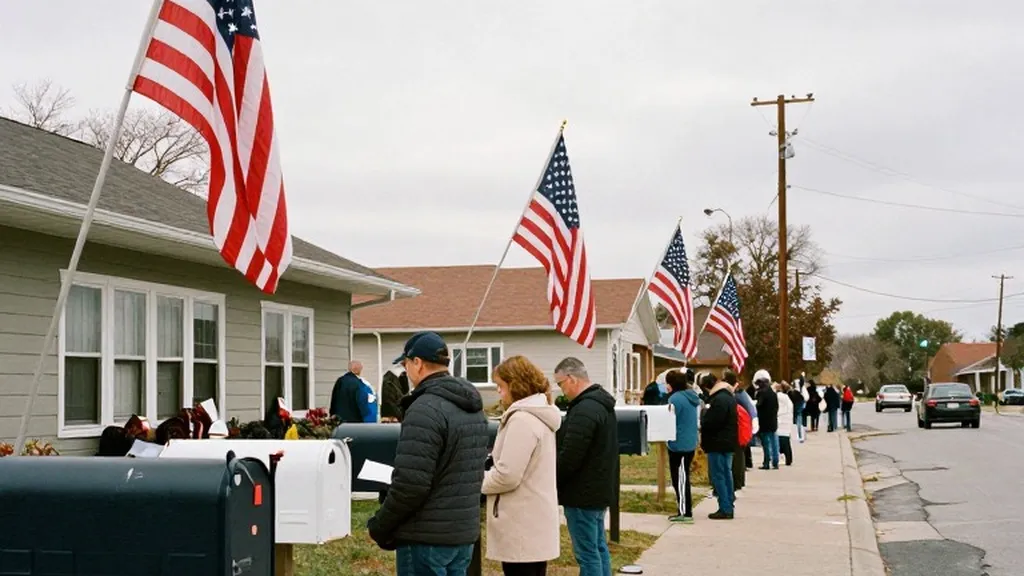
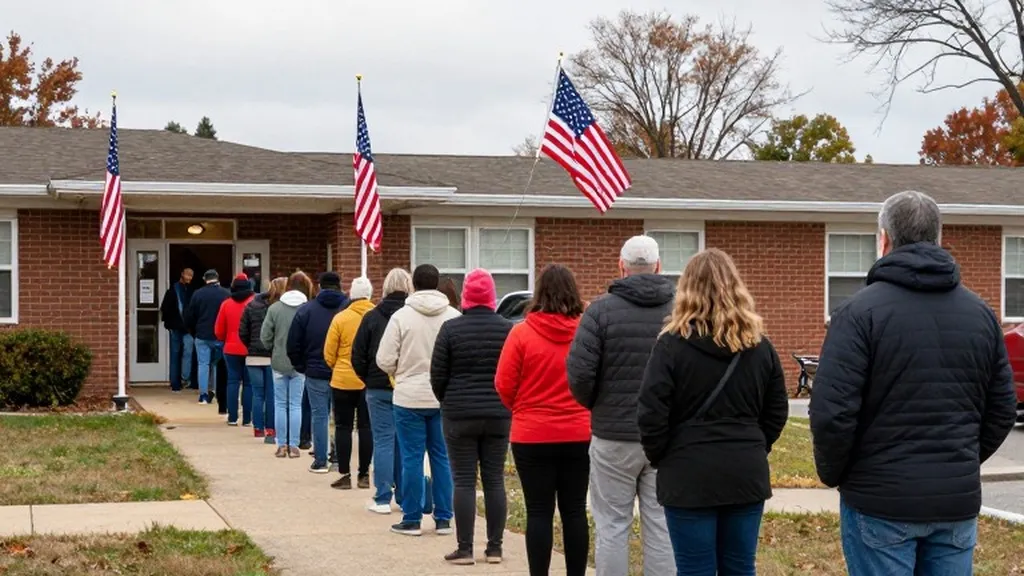
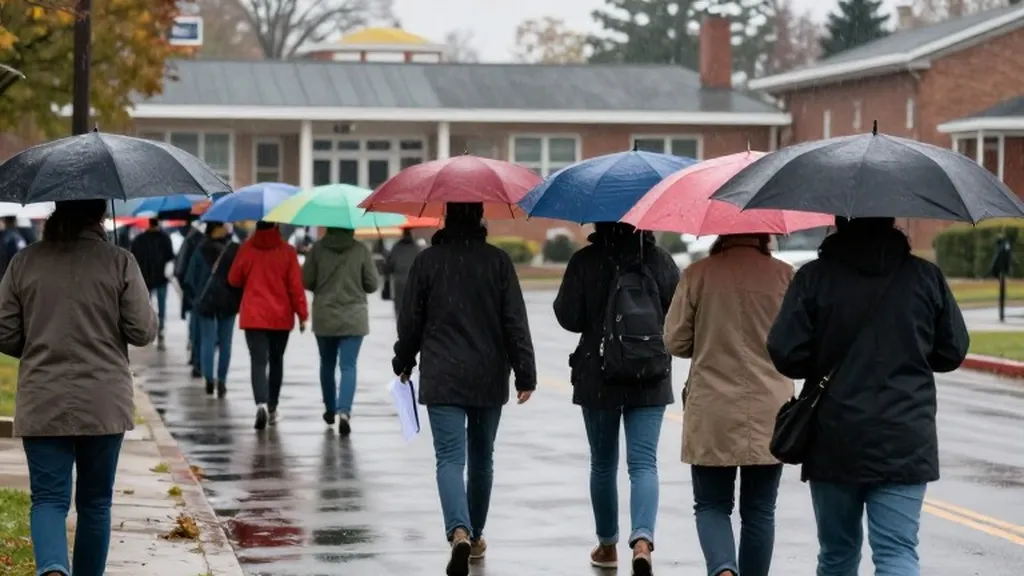
Voters across the United States are heading to the polls on Tuesday to decide the outcome of thirty-six governor races. According to Ballotpedia, the current balance of power is perfectly even, with Republicans holding eighteen of the seats up for election and Democrats holding the other eighteen. This symmetry creates a critical battleground for both parties as they seek to shift the national balance of executive power in the states.
The Associated Press notes that nineteen of these thirty-six races are open, meaning no incumbent is on the ballot. Fifteen governors are term-limited and cannot run again. In addition, Iowa Governor Kim Reynolds, Minnesota Governor Tim Walz, and Wisconsin Governor Tony Evers have chosen not to seek reelection. Rhode Island Governor Daniel McKee lost his primary, further opening the field. The AP reports that Democrats need a net gain of two governorships to claim a nationwide majority, a feat they have not achieved since 2010.
Ballotpedia identifies nine specific governor races as battlegrounds where the outcome could swing either way. These include Alaska, Arizona, Georgia, Iowa, Kansas, Michigan, Nevada, Ohio, and Wisconsin. In these states, the margin of victory is expected to be tight, making every vote significant. The AP highlights that Democrats are defending five governorships in states that Trump won in 2024, including Arizona, Kansas, Michigan, Pennsylvania, and Wisconsin. Republicans, conversely, are defending two governorships in states that Harris won, specifically New Hampshire and Vermont.
In Georgia, Republican Rick Jackson is facing Democratic former Atlanta Mayor Keisha Lance Bottoms to succeed Brian Kemp. The AP describes this as a pivotal contest in a state that has become increasingly competitive. In Nevada, Republican Governor Joe Lombardo is running against Democratic Attorney General Aaron Ford. The AP notes that the economic strain and tariffs have made states like Nevada and Maine more competitive for Democrats, according to reporting from the Associated Press.
The race in Ohio features Republican Vivek Ramaswamy against Democrat Amy Acton. The AP reports that Ramaswamy’s campaign faced recent backlash over an advertisement featuring Acton’s estranged mother. This incident has drawn national attention to the state’s governor’s race, which is considered one of the most closely watched contests. The AP also calls Texas, Florida, and Iowa competitive governor races, suggesting that the outcome in these large states could influence the overall count of statehouses controlled by each party.
Democrats hope to hold a majority of governorships for the first time in two decades. This goal is central to their strategy for the midterm elections. The AP quotes DCCC Chair Rep. Suzan DelBene, who stated that the American people are angry and want change. This sentiment is echoed by voters like James Moore, a librarian in Raleigh, North Carolina, who told the AP that he is paying more for taxes, healthcare, and everything else. Moore’s comments reflect the broader economic concerns driving voter turnout in these state-level races.
On the other side, Republicans are bracing for potential losses but remain focused on turnout. RNC Chairman Joe Gruters told the AP that everything depends on turning out voters. He emphasized that if they mobilize their base, they will win. This strategy is particularly important in the open seats where no incumbent has the advantage of name recognition. The AP notes that many Republican candidates have kept their distance from President Trump, who has continued to make claims about voting fraud and noncitizen voting, according to reports from the Associated Press.
The administration has been involved in legal battles over election administration, including lawsuits in Alaska and California. The AP reports that Democrats fear interference and intimidation as the Justice Department threatens to prosecute local election officials. These developments add a layer of complexity to the thirty-six governor races, as state election officials navigate federal oversight and court orders. The AP notes that a federal judge temporarily barred the Trump administration from carrying out a plan to prevent noncitizen voting, a move critics say risks disenfranchising eligible voters.
The thirty-six governor races are part of a larger midterm election that includes all 435 House seats and thirty-five Senate seats. The AP describes the election as a referendum on Trump’s second term, with voters struggling with high prices and an unpopular war with Iran. The AP-NORC polling shows that only 35% of U.S. adults approve of Trump’s job performance. This low approval rating is a headwind for Republican candidates across all levels of government, including the thirty-six governorships on the ballot.
As polls open and close across the country, the outcome of these thirty-six races will determine the new landscape of state leadership. The AP notes that if Democrats win even one chamber of Congress, investigations and possible impeachment proceedings become likely. The governor races will provide an early indicator of the party control in statehouses, which can influence legislative agendas and policy priorities. The AP emphasizes that the results will be closely watched by both parties as they assess their performance in the midterm elections.
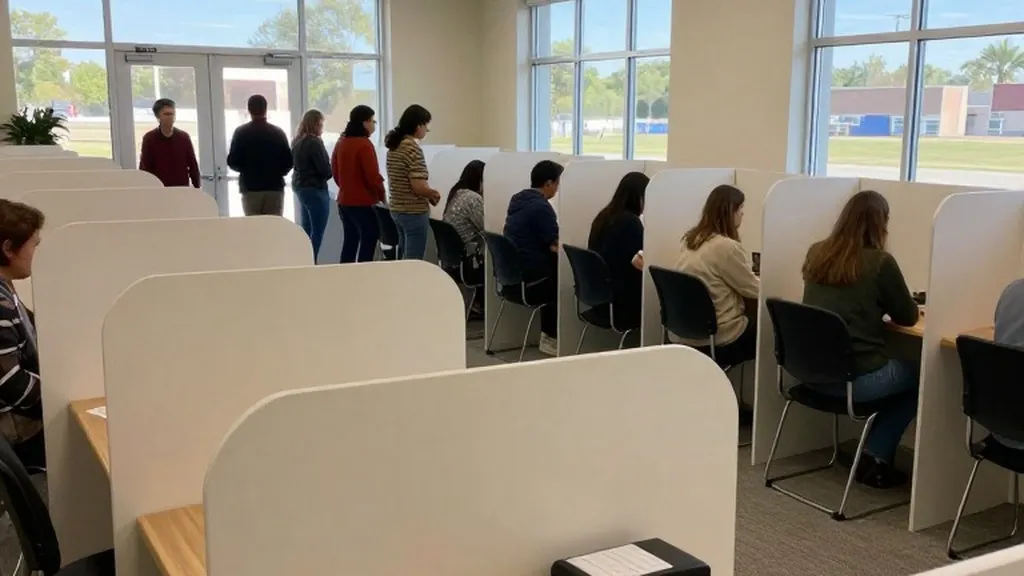
The Associated Press reports that more than 57 million people had already voted as of Monday, surpassing the early vote of four years ago in many closely watched states. This high turnout is a testament to the intensity of the election. The AP notes that the 2026 elections will likely be the most expensive in history, with Republican committees outraising and outspending Democratic committees. However, at the candidate level, Democrats outraised their opponents. This financial dynamic is playing out in the thirty-six governor races, where candidates are spending heavily to reach voters in the final days of the campaign.