Iran War and Inflation Define High Stakes in 2026 Midterm Vote
Voters weigh the cost of the conflict and economic strain as they choose Congress leadership for the final two years of the Trump administration.
By Fatima Popov ·
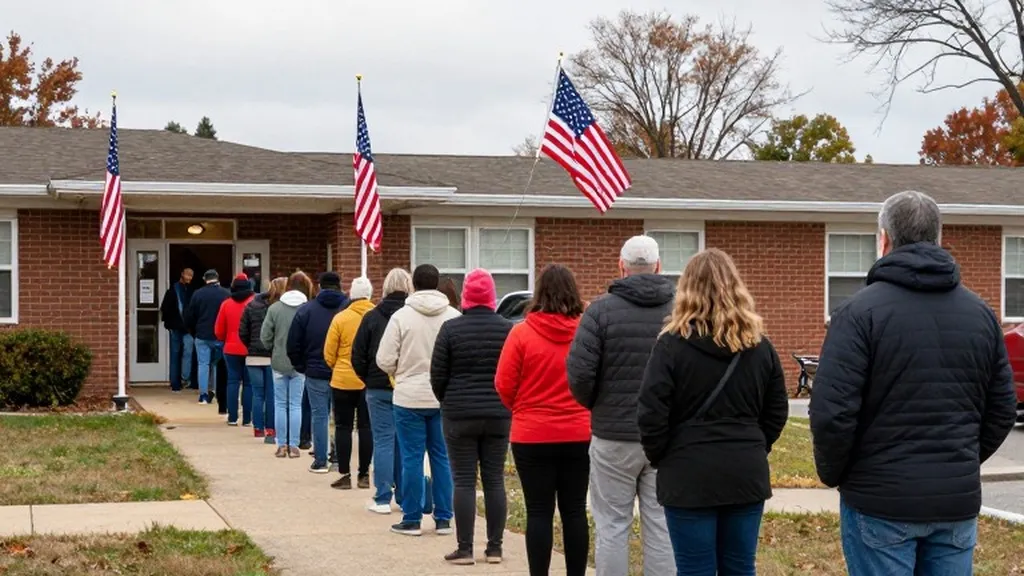
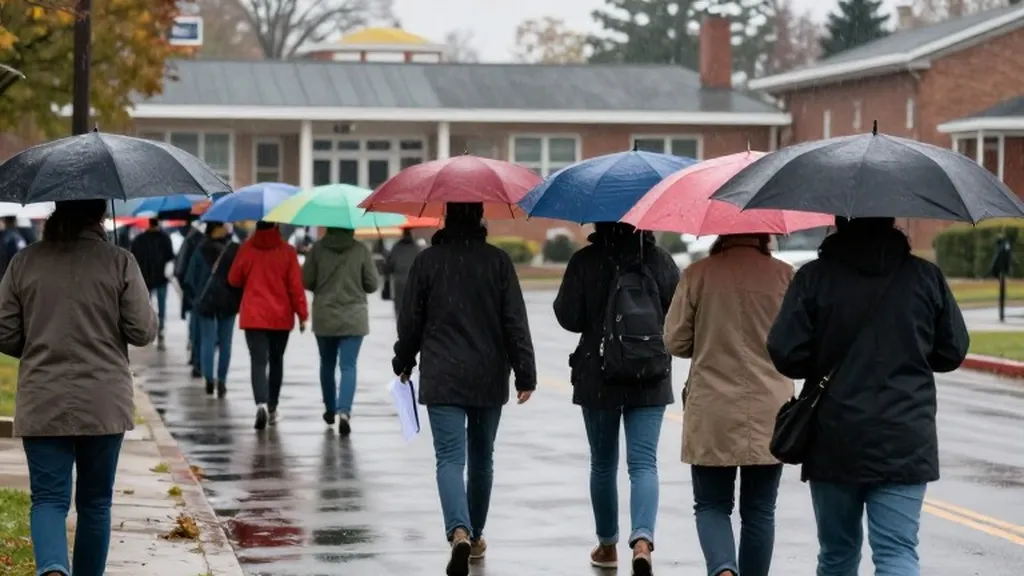
Polls are open across the United States on Tuesday, November 3, 2026, as citizens cast ballots in the midterm election that will determine which party controls Congress for the remainder of President Donald Trump's second term. The Associated Press describes the contest as a referendum on the current administration, noting that voters are struggling with high prices and expressing anger over an unpopular war with Iran. With all 435 House seats and 35 Senate seats up for grabs, the outcome will shape the legislative landscape for the next two years and influence the balance of power in Washington.
The war with Iran has emerged as a central issue for both parties, dividing voters who are divided on the administration's foreign policy choices. Republicans argue that the conflict was necessary to protect national security interests and that a strong congressional majority is needed to support the President's decisions. Democrats contend that the war has drained resources and increased costs for everyday Americans, arguing that a divided government would provide the necessary checks and balances to manage the situation more effectively. Both sides have emphasized the economic fallout from the conflict, linking it to the broader issues of inflation and the cost of living that dominate voter concerns.
Economic dissatisfaction is a powerful force in this election, with recent polling from the AP and NORC indicating that only 35 percent of U.S. adults approve of President Trump's job performance. About 25 percent approve of his handling of the economy, and approximately seven in ten Americans say the country is heading in the wrong direction. Many voters attribute high prices directly to the administration's policies, including those related to the Iran conflict. This economic anxiety is driving turnout, as more than 57 million people had already voted by Monday, surpassing early voting numbers from four years ago in many closely watched states.
In the House race, Democrats need a net gain of three districts to claim a majority, while Republicans can afford to lose no more than two seats. Ballotpedia identifies 46 battleground districts, with 25 currently held by Democrats and 21 by Republicans. The competition is fierce in these areas, where voters are weighing local economic conditions against national political trends. Many incumbent members of Congress are not running again, with 60 House seats up due to retirements, creating opportunities for challengers from both parties. The new congressional maps in states like California, Florida, and Texas add another layer of complexity to these races.
The Senate contest is equally critical, with Democrats needing a net gain of four seats to secure a majority and Republicans able to lose only two. Thirteen Senate races are considered competitive, including key states like Georgia, Ohio, and Texas. In Georgia, Senator Jon Ossoff is facing a challenge from Representative Mike Collins, while in Ohio, former Senator Sherrod Brown is running against incumbent Senator Jon Husted. The AP notes that economic strain and tariffs have made states like Maine competitive, where Senator Susan Collins is facing a tough race against Troy Jackson. These Senate outcomes will determine whether Democrats can block legislation or initiate investigations, a key goal for the party if they win either chamber.
Governor races are also on the ballot in 36 states, with Democrats hoping to hold a majority of governorships for the first time in two decades. Republicans currently hold 26 governor's offices, while Democrats hold 24. Key matchups include Georgia, where former Atlanta Mayor Keisha Lance Bottoms is challenging Republican health care executive Rick Jackson, and Ohio, where Vivek Ramaswamy is running against Amy Acton. The AP calls Texas, Florida, and Iowa competitive governor races, highlighting the broad nature of the national contest. These races are significant because they can influence state-level policies and provide a platform for future national candidates.
Voters are also grappling with questions about election administration and integrity. A federal judge temporarily barred the Trump administration from carrying out a plan to prevent noncitizen voting, a move that critics say risks disenfranchising eligible voters. The administration has also faced legal challenges in Alaska and California regarding the certification of results and the handling of mail ballots. These legal battles have raised concerns among some voters about the fairness of the process, with Democrats fearing interference and Republicans emphasizing the need for secure elections. The U.S. Postal Service has added extra staff and hours to ensure that mail ballots are counted on time, a crucial step in a year with high mail-in voting participation.
Money has played a significant role in shaping the campaign, with the 2026 elections likely to be the most expensive in history. Republican committees outraised and outspent their Democratic counterparts, aided by funds from Trump-affiliated groups and Elon Musk. However, at the candidate level, Democrats outraised their opponents in many races. Analysis of advertising data shows that 88.1 percent of Republican general election TV ad spending went to states and districts that Trump won in 2024. This strategic focus reflects the Republican party's effort to protect its base in areas where the President performed well, while Democrats have concentrated their resources in competitive districts where they believe they can make gains.
President Trump has been actively campaigning, holding dozens of rallies in recent weeks, including a stop in Salina, Kansas, where he urged voters to treat the midterm as a vote on his leadership. His comments highlight the personal nature of the campaign, with many Republican candidates maintaining a close alignment with the President to boost their chances. Conversely, some Democratic candidates have focused on local issues and the need for change, reflecting the party's strategy of appealing to voters who are frustrated with the status quo. The high stakes of the election are evident in the intense campaigning and the significant public interest in the outcome.