57 Million Early Votes Set Stage for Turnout-Driven Midterm Fight
With polls open, party leaders argue that voter participation, not just candidate choice, will determine control of Congress.
By Daniel Rogers ·
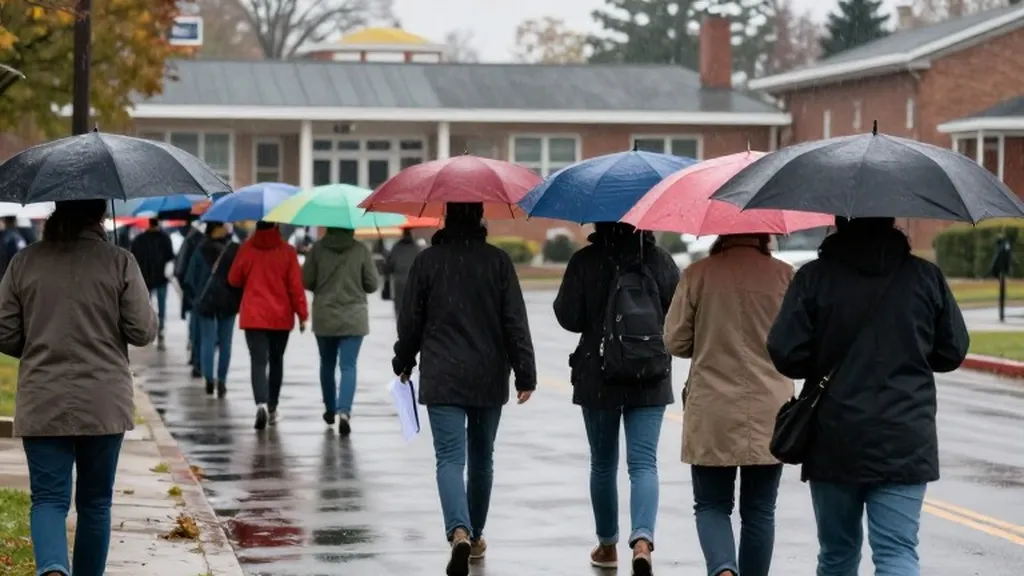
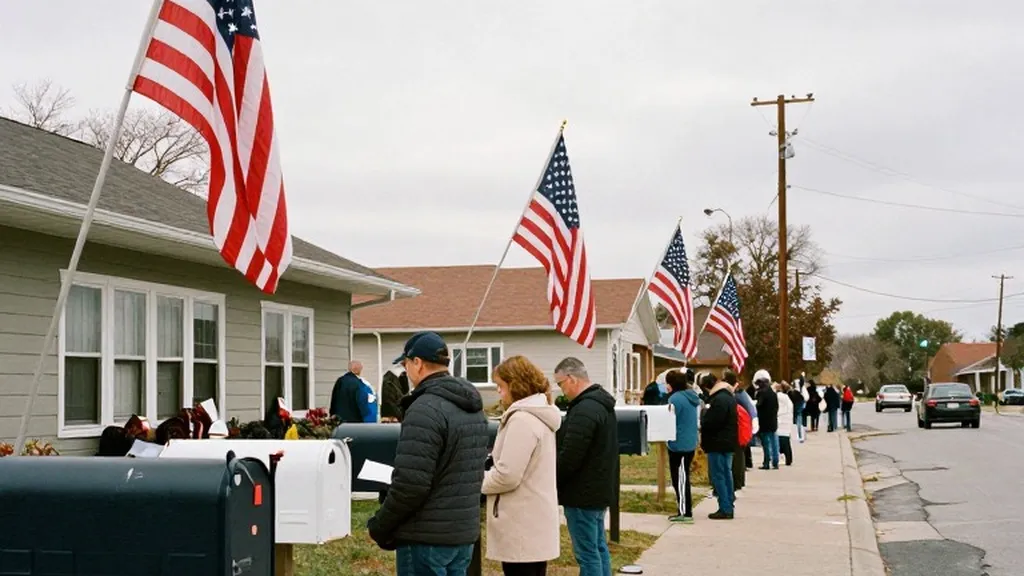
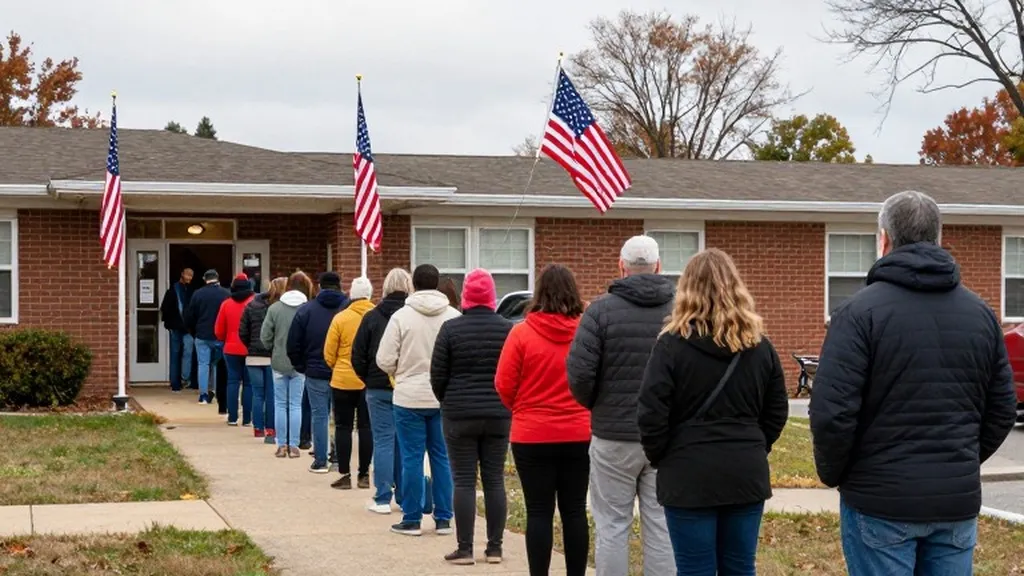
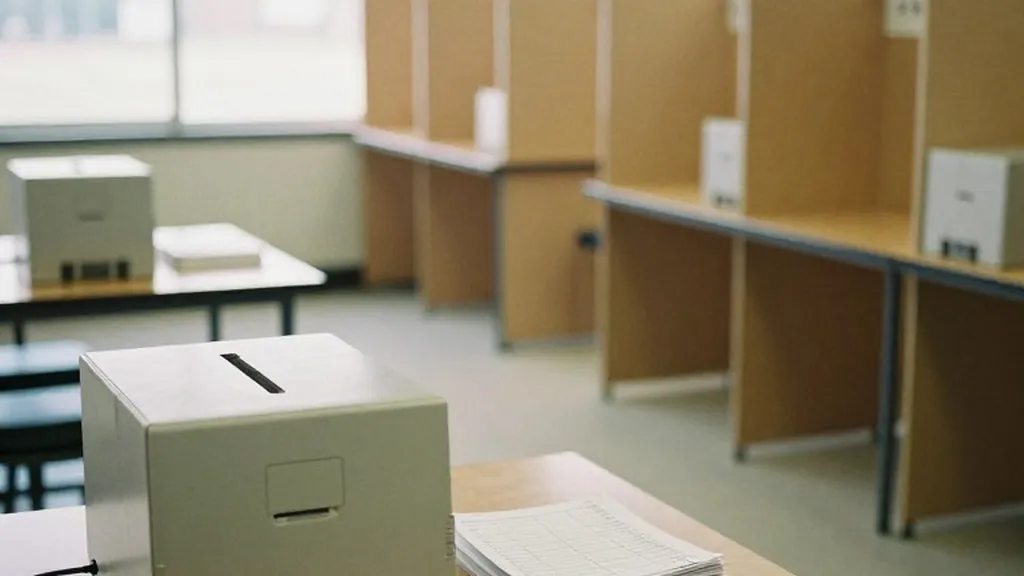
As polls open across the country on Tuesday, November 3, 2026, the focus of the midterm election has shifted decisively toward voter participation. According to the Associated Press, more than 57 million Americans had already cast their ballots as of Monday, a figure that surpasses the early vote totals from four years ago in many closely watched states. This high level of pre-election voting places immense pressure on both parties to mobilize their remaining supporters for the final day of the election.
The Republican National Committee is framing the day as a critical test of organizational strength. RNC Chairman Joe Gruters stated that everything depends on turnout, asserting that if the party can turn out its voters, they will win. Gruters noted that this strategy has been the central focus of their planning. For Republicans, holding the Senate while potentially losing the House remains a key objective, with the party bracing for the traditional midterm loss of seats for the president's party.
Democrats are approaching the day with cautious optimism, emphasizing the sentiment of a electorate eager for change. DCCC Chair Rep. Suzan DelBene described the American people as angry and wanting change. Her argument rests on the idea that the high number of early votes reflects a broad coalition of voters dissatisfied with the status quo. Democrats need a net gain of three districts in the House and four seats in the Senate to take control of both chambers, a task that requires sustained high turnout among their base.
The Associated Press describes the election as a referendum on President Donald Trump's second term, with voters struggling with high prices and expressing anger over an unpopular war with Iran. Recent AP-NORC polling indicates that 35 percent of U.S. adults approve of Trump's job performance, while about seven in ten say the country is heading in the wrong direction. These economic anxieties are central to the ground game, with both parties targeting voters who feel the pinch of inflation in their daily lives.
Voters on the ground are expressing these tensions directly. In Palm Beach Gardens, Florida, Mark Barker said he has been following Trump closely and believes he is doing an awesome job. Conversely, James Moore, a 57-year-old librarian in Raleigh, North Carolina, stated that he is paying more taxes, more for healthcare, and more for everything. These contrasting perspectives illustrate the divided electorate that party leaders are working to unify on Election Day.
The financial resources deployed for this campaign are historic, with the 2026 elections likely to be the most expensive in history. AP analysis of AdImpact data shows that 88.1 percent of Republican general election TV ad spending went to states and districts Trump won in 2024. This spending strategy reflects an attempt to defend strongholds, while Democrats focused their candidate-level fundraising on competitive battlegrounds. The disparity in spending highlights the different strategic bets each party is making on where the fight will be decided.
In the Senate, 35 seats are up for grabs, including two special elections for the remainder of terms held by Marco Rubio and JD Vance. Ballotpedia identifies 13 competitive Senate races, with states like Iowa, Maine, and Georgia seen as pivotal. In Iowa, the race is open after Joni Ernst retired, and the state voted for Trump by 13.2 points in 2024. In Maine, Senator Susan Collins faces a challenge from Troy Jackson, with the AP noting that economic strain and tariffs have made the state competitive.
Governor races in 36 states add another layer of complexity to the turnout effort. Democrats hope to hold a majority of governorships for the first time in two decades, a feat not achieved since 2010. In Ohio, Republican Vivek Ramaswamy is running against Democrat Amy Acton, while in Georgia, Republican Rick Jackson faces Democratic former Atlanta Mayor Keisha Lance Bottoms. These races are crucial for maintaining state-level control and influencing the broader national narrative.
Election administration has also been a point of contention, with legal battles affecting how votes are counted. A federal judge temporarily barred the Trump administration from carrying out a plan to prevent noncitizen voting, while another judge ordered the administration to stop demanding that California officials segregate ballots from suspected noncitizens. The U.S. Postal Service has added hours and staff to ensure mail ballots are counted on time, a critical component of the overall turnout picture.
As voters head to the polls, the stakes are high for both chambers of Congress. If Democrats win even one chamber, investigations and possible impeachment proceedings become likely, with House Democratic Leader Hakeem Jeffries potentially becoming the first Black speaker. Republicans are trying to beat the midterm pattern through redistricting, but new districts in states like Florida and Ohio may not vote as expected. The final tally of votes today will determine who controls the legislative agenda for the next two years.