Wisconsin Data Shows Voters 65 and Older Have Lower Mortality Rates
A new analysis of the Wisconsin Longitudinal Study finds that casting a ballot is linked to a 45% reduced risk of death within five years, regardless of how the vote was cast.
By Fatima Popov ·
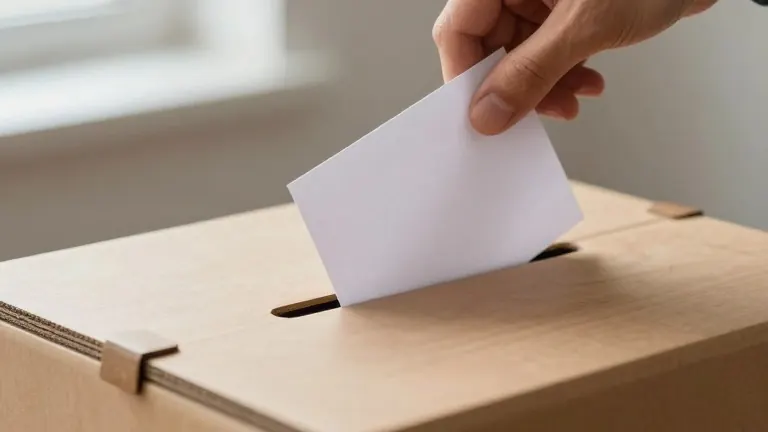
The physical act of voting may offer measurable health benefits for older Americans. Researchers examining data from Wisconsin found that adults aged 65 and older who cast ballots in presidential elections faced a lower risk of dying compared to peers who did not vote. The study provides empirical evidence for a hypothesis first noted by the American Medical Association in 2022, which suggested civic engagement could have health implications.
The analysis relied on the Wisconsin Longitudinal Study, a dataset that has tracked a random sample of high school graduates from 1957 onward. The researchers compared health outcomes for older adults who voted in the 2008 election against those who abstained. They used voting records verified by Catalist and death records from the National Death Index to track longevity over a 15 year period.
The data revealed a distinct survival advantage for voters. Individuals who participated in the 2008 election were 45% less likely to die within five years of the vote. That advantage persisted over time, with voters showing a 37% lower risk of death at the 10 year mark and a 29% lower risk at 15 years. The researchers also reviewed the 2004 and 2012 elections and found that the health benefits were more pronounced for the more recent contests.
The findings held up after the team controlled for variables that typically influence both voting behavior and health. The researchers accounted for gender, marital status, income, and preexisting health conditions. They also factored in other forms of civic engagement, such as volunteering. Even with these adjustments, voters remained less likely to die than nonvoters. The benefit was particularly strong for individuals who started with poorer health, who saw a larger reduction in mortality risk over the 15 year span.
The method of voting and the political outcome did not alter the results. The study found no difference in long term health outcomes between those who voted in person and those who mailed their ballots. Similarly, the health benefits appeared consistent regardless of whether the voter’s preferred candidate won the election. This suggests the act of voting itself, rather than the specific political result, drives the observed health effects.
The researchers, an economist and a social psychologist who study altruism, propose several mechanisms for this link. They suggest voting may trigger positive biological responses similar to those seen in volunteering, such as reduced stress or activation of the brain’s reward system. Other possible factors include a sense of self efficacy and social connection. While the study did not measure these biological markers directly, the consistency of the data supports the idea that civic participation contributes to longevity.
This research aligns with existing studies showing that people who volunteer for nonprofits often live longer. Voting shares characteristics with these other altruistic acts, as individual voters recognize that a single ballot rarely changes the outcome of a national election. The findings indicate that participating in civic life can be as beneficial to long term health as other established behaviors like regular exercise or a vegetable rich diet.
Source: Stamford Advocate
More Business · Scam Watch · Report a business · Got a Story?