US Warships to Stop 50 Yards From Cuba, Trump Says
Secretary of State Marco Rubio urged Cubans to contact the CIA in a social media post after the president revived plans for a naval stopover.
By Fatima Popov ·
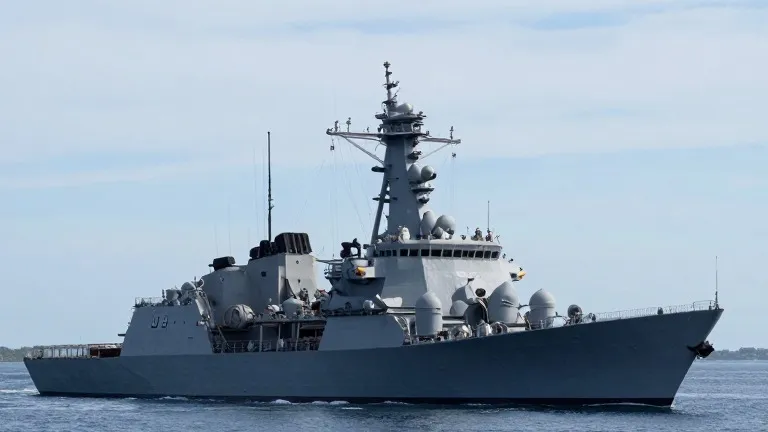
The United States government has outlined a new strategy for dealing with Cuba that combines a physical naval presence with a direct invitation for domestic contact with American intelligence. This move follows a recent escalation in rhetoric between Washington and Havana regarding the island's political future.
President Donald Trump announced the naval plan at a campaign rally in South Florida on Friday. He stated that American warships returning from the Iran conflict would make a brief stop near the Cuban coast. Trump specified that one ship would halt approximately 50 yards from the shore. He described the scene by saying the sailors would raise their hands. He added that he would then send Secretary of State Marco Rubio to finalize the arrangement.
Rubio followed up with a post on social media directed at Cubans who want political change. He called the current moment the right time to act. The post cited failed promises, corruption, and the wealth of a few as reasons for dissatisfaction. Rubio invited those seeking change to engage in what he described as a discrete partnership with the CIA. He likely intended to write discreet, a word meaning secret, rather than discrete, which means separate.
Cuban officials responded with criticism. Deputy Foreign Minister Carlos Fernandez de Cossio posted on X that the US was publicly recruiting for the CIA. He compared the agency's efforts to selling a tube of toothpaste, suggesting the agency was desperate or miserable. The Cuban government mocked the timing and the method of the outreach.
This is not the first time these officials have discussed intervention. Trump suggested earlier this year that Cuba might be the next target for US action after the Iran war. In May, Trump and Rubio discussed the possibility of military action. That threat gained weight after the administration announced criminal charges against former Cuban leader Raul Castro. Trump told reporters in the Oval Office that previous presidents considered intervention for decades, but it looked like he would be the one to carry it out.
Rubio had not spoken extensively about Cuba in public for several weeks. In a September 29 interview on Fox News, he told host Sean Hannity that Cuba had already fallen. He described the island as lacking a functional economy and led by people preaching a revolution that had been dead for 20 years. He expressed hope that Cuba would choose a different path but stated the US would not allow it to become a base for operations against American interests.
Diplomatic efforts have been inconsistent. Rubio and other senior aides met with Cuban officials in recent months to explore better relations. The US side was unimpressed by these meetings, leading to additional sanctions. Trump told reporters last month that Rubio was deep into negotiations. He expected the two countries to make a deal without military force. However, tensions rose earlier this week when the two governments clashed at the United Nations over an upcoming vote condemning the US economic embargo.
Cuba has faced an economic and energy crisis since 2020. The gross domestic product has shrunk, and the 10 million residents have dealt with blackouts, food shortages, and high inflation. Protests have occurred in waves, and hundreds of thousands of Cubans have emigrated, many moving to the United States.
Source: The Guardian
More Politics · World news · Report a business · Got a Story?