Trump Targets AI Data Centers With New Energy Dividend Mandate
The President has proposed that hyperscalers must return excess power to local grids to offset rising utility bills for nearby residents.
By Fatima Popov ·
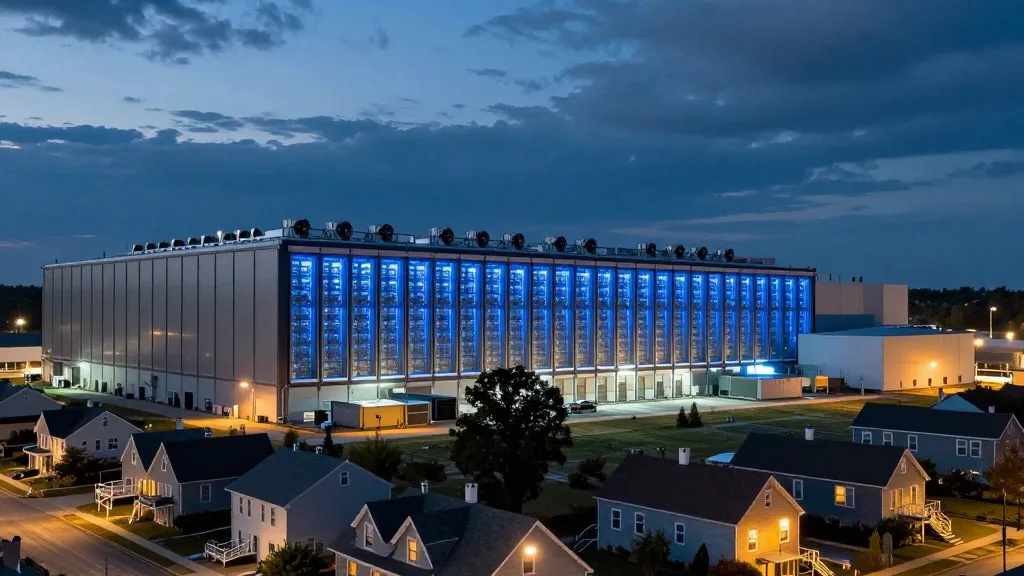
President Donald Trump has demanded that AI data center operators provide local communities with an energy dividend to mitigate rising utility costs. In a post on Truth Social, the President outlined a new framework requiring these facilities to not only generate their own power but also feed or sell excess electricity back to the local grid. This move aims to make large-scale AI infrastructure more acceptable to residents who have frequently protested the environmental and economic impacts of these projects.
The administration’s approach builds on previous directives issued to the tech sector. Officials had already ordered data center builders to source their own electricity, a policy designed to insulate local grids from the strain of massive computational demands. The new proposal adds a layer of reciprocity, suggesting that the surplus power from these self-generated systems should flow back to neighbors. This is intended to directly address the spike in electricity prices that has become a primary point of contention in towns hosting new hyperscale facilities.
Local opposition to AI data centers has grown significantly across the United States. Residents in affected areas have cited several grievances, including increased noise pollution, water shortages, air quality degradation, and deforestation. These issues have made the construction of new centers a contentious political issue, often pitting rapid technological expansion against community livability. The administration views this energy dividend as a practical solution to ease these tensions and secure local buy-in for future projects.
The strategy is also driven by the broader geopolitical race with China. The Trump Administration is eager to maintain a lead in the AI arms race and recognizes that local resistance can slow down deployment timelines. By offering a tangible financial benefit to the communities hosting these centers, the White House hopes to turn potential opponents into allies. The dividend would likely take the form of subsidies or credits that help offset the rising electricity bills for homes in the vicinity of the data centers.
This initiative aligns with a recently passed act that requires data centers to cover the costs of necessary grid upgrades. Previously, these infrastructure expenses were often passed on to local taxpayers. Under the new guidelines, the burden remains on the operators, ensuring that the local tax base is not depleted to support corporate expansion. The combination of self-generation, grid upgrade funding, and energy dividends forms a comprehensive package aimed at reducing the net negative impact on local economies.
In his social media post, President Trump emphasized the financial incentives that drive community approval. He noted that data centers which were initially unpopular in specific regions have become widely accepted once a financial agreement was reached. The President urged developers to prioritize these negotiations, closing with the directive to "MAKE DEALS, and get them built!!!" This highlights the administration’s preference for market-driven solutions over strict regulatory caps.
However, the effectiveness of the energy dividend remains to be seen. While the financial aspect addresses one major pain point, other challenges persist. Issues such as enormous water consumption, ecological damage, and ongoing pollution continue to make AI data centers a difficult sell in many locations. The economic relief may not be sufficient to outweigh the environmental concerns for every community.
The next steps involve determining how these dividends will be structured and enforced. Industry leaders are expected to respond to the mandate with proposals for how they will calculate and distribute the energy benefits. For New England readers, this could mean a shift in how local towns evaluate new tech infrastructure proposals, with a closer eye on the potential for shared energy resources. The coming months will reveal whether this policy successfully balances the drive for AI advancement with the needs of local populations.
Source: Tom's Hardware · original report published