The $3,000 to $12,000 Gap: Why In-Store Inspection Beats Online Specs for Gas Fireplaces
Online images fail to capture flame dynamics and glass reflectivity, prompting buyers to use a four-part physical test to avoid costly installation errors.
By Daniel Rogers ·
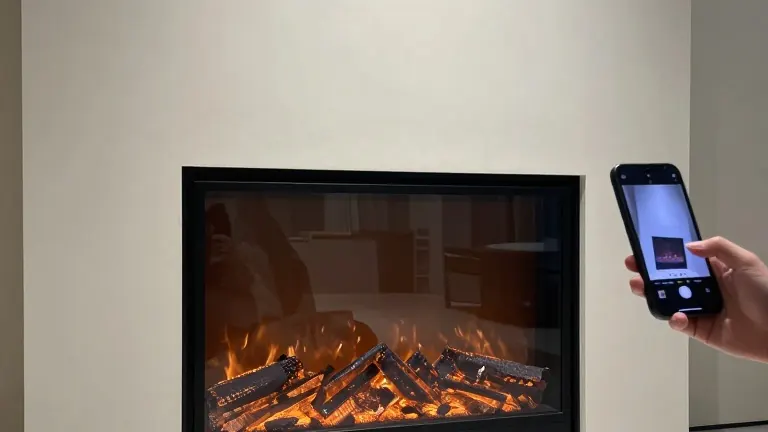
The market for residential heating and decorative units spans a wide price range, yet visual comparisons often obscure the functional differences that determine long-term utility. For homeowners in Utah and other regions, the decision to purchase a gas fireplace increasingly hinges on physical inspection rather than digital specifications.
Product photography frequently renders a $3,000 insert and a $12,000 luxury unit as visually similar, masking critical variations in flame behavior and material quality. Manufacturers tune flame patterns to specific aesthetics, with some units producing tall, lazy fires while others burn low and wide. This distinction affects suitability for different room layouts, a detail that is invisible in studio shots.
Buyers are advised to test units at both minimum and maximum settings during a showroom visit. A reliable gas fireplace maintains a believable flame at both extremes, whereas lower-cost models may flicker at low settings or roar at high intensity. Since most users operate these appliances at low levels during mild evenings, performance at the bottom of the dial is a key economic factor.
The condition of the glass when the fire is off presents a secondary financial consideration. Cold glass acts as a reflective surface that can appear as a black void or a mirror, depending on the finish. Anti-reflective coatings mitigate this effect, but standard glass often shows smudges within a day of use. Inspecting the display for existing fingerprints provides a realistic preview of maintenance requirements.
Venting systems and efficiency ratings further impact operating costs. Direct vent units offer placement flexibility by drawing air from outside, while natural vent models require existing chimneys. The Department of Energy provides guidance on heating appliance ratings, noting that the efficiency gap between decorative units and high-efficiency heaters can significantly alter monthly gas bills. Buyers should verify local permit requirements with their building department before finalizing a purchase.
A standardized four-part assessment, or the Croft Field Test, helps consumers compare displays objectively. This process involves evaluating the unit with the fire off, observing the flame at minimum intensity, viewing the display from a standard seating distance, and physically inspecting the trim and controls. Limiting a visit to four units prevents sensory overload and ensures accurate recall of each model's characteristics.
Bringing room photographs and precise framing measurements to the showroom allows for immediate compatibility checks. Dealers can use these data points to determine viable venting options and finish matches under different lighting conditions. This preparation reduces the time required to make a final decision and minimizes the risk of selecting a unit that conflicts with existing architectural elements.
Source: Yonkers Times
More Business · Scam Watch · Report a business · Got a Story?