Credit Card Balances Hit $1.26 Trillion as Shoppers Use Cards for Essentials
New York Fed data shows a $54 billion annual jump, while a survey finds two-thirds of respondents bought food with cards in the past year.
By Rebecca Kaminski ·
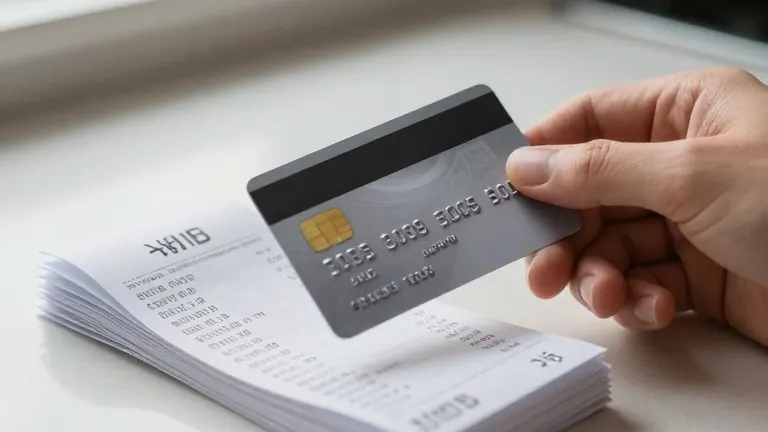
American households are increasingly using credit cards to pay for groceries, gasoline, and utility bills. The practice is becoming a standard way to cover daily living costs, but it carries financial risks. Carrying a balance extends the period of debt and increases the total cost of basic items.
The Federal Reserve Bank of New York reported that total credit card balances reached $1.26 trillion at the end of the second quarter of 2026. The bank released this figure on August 11, 2026. Balances grew by $21 billion during the quarter alone. The total increase over the previous year was $54 billion. These figures aggregate all purchases and obligations, so they do not isolate the specific amount spent on food or fuel.
A 2026 survey commissioned by Accredited Debt Relief provides a look at individual behavior. Sixty-six percent of participants said they used a credit card to buy food during the previous year. The New York Post cited this data in an analysis of consumer habits. The report notes that using a card for a purchase is different from relying on debt to eat because one cannot afford cash payments.
The Consumer Financial Protection Bureau, or CFPB, explains the mechanics of how interest accrues. If a cardholder pays the full balance before the due date, they can avoid interest on new purchases. The CFPB states that this benefit remains if the account stays in good standing. However, if a consumer misses the grace period, new purchases can begin accruing interest from the day of the transaction. This means a supermarket bill can become more expensive and consume a larger portion of the next paycheck.
The New York Post illustrates the impact of partial payments with a hypothetical example. If a shopper charges $800 in groceries monthly but only pays $600, the remaining $200 adds to the existing balance. Over one year, this results in $2,400 in pending debt before interest is calculated. This accumulation can happen even with routine, manageable purchases.
Buy now, pay later plans add another layer of complexity. These services split purchases into multiple installments. While they often do not charge interest if payments are made on time, the obligations can stack up. A CFPB study published on January 13, 2025, found that approximately 63% of borrowers held simultaneous loans of this type at some point in 2022. The analysis reviewed records from six major providers and credit data.
Residents of New York City have access to free financial counseling. The Financial Empowerment Centers offer individual assistance to adults 18 and older who live or work in the city. The Department of Consumer and Worker Protection states that income level and immigration status do not affect eligibility. People can call 311 to request an appointment or seek help in various languages. Counselors help clients build budgets, review debts, and create strategies to reduce payments.
Source: El Diario La Prensa
More Business · Scam Watch · Report a business · Got a Story?