Stuck Tankers Reveal Arctic Route Flaws
Recent incidents and shipping data show that Russia's Northern Sea Route remains a challenging passage despite official claims of rapid expansion and growing global interest.
By Daniel Rogers ·
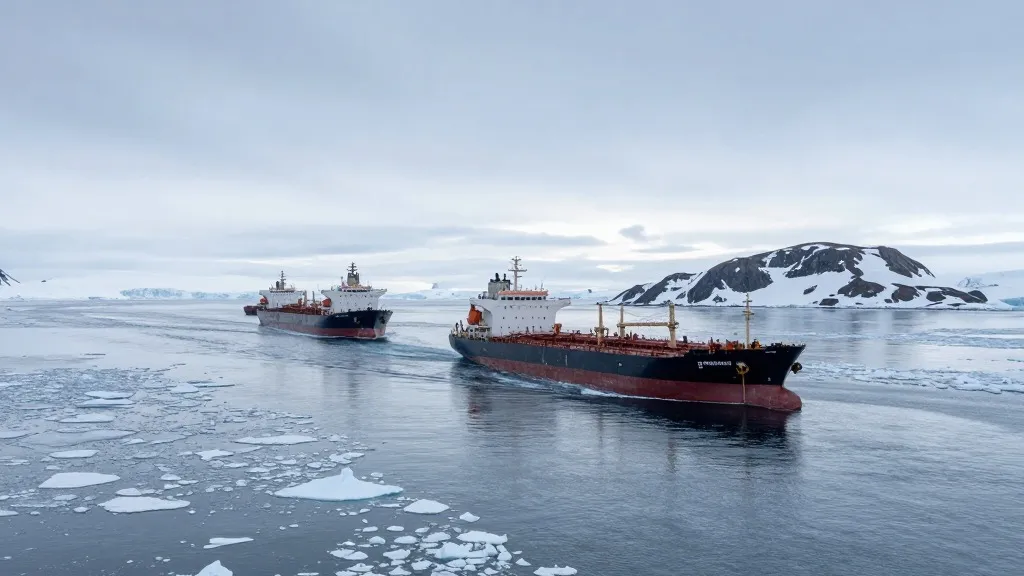
A recent traffic jam in the Arctic has highlighted the gap between Moscow's grand visions for its northern waterways and the harsh physical reality of the region.
In July, a fleet of sanctioned Russian tankers became trapped in the Vilkitsky Strait, a narrow choke point located far above the Arctic Circle. The vessels were stuck between the Siberian coast and Bolshevik Island, with nuclear icebreakers days away. Only one tanker managed to pass through, while the others waited up to two weeks before finding an alternative path. This event challenges the Kremlin's narrative of a newly open and safe passage that avoids threats from Ukrainian drones and European navies. Although record volumes of crude oil and liquefied natural gas moved along the route this year, conditions remain difficult. Ksenia Vakhrusheva of Bellona explained that melting ice can pack tightly in narrow areas, blocking ships that lack specific ice classes.
The timeline of these ambitions shows a pattern of shifting targets. President Vladimir Putin recently claimed that 37 million tons of cargo moved along the route in 2025 and predicted this figure would nearly double by 2030. This follows a 2019 goal of 80 million tons by 2024, which was not met. Other data offers a more modest perspective. The Norway-funded Center for High North Logistics reported that Russia shipped about two million tons of oil to Asian destinations by the end of September. By mid-October, this total reached approximately 20 million barrels. While this represents a 50 percent increase from the previous year, it accounts for only about one percent of Russia's total seaborne oil exports. Tomas Alexa of Ambrey described this growth as a surge from a relatively low base.
Western sanctions add to the logistical challenges by complicating the construction and maintenance of Arctic-capable vessels. Spare parts and materials often must be routed through third parties, and repair work previously handled by Scandinavian firms is no longer readily available. Despite these hurdles, other nations are testing the waters. South Korea reported on October 22 that its first container ship had used the route, citing it as a shortcut to Europe despite difficult ice conditions. China also ran its first scheduled container service to Europe along this path this year, completing several voyages.
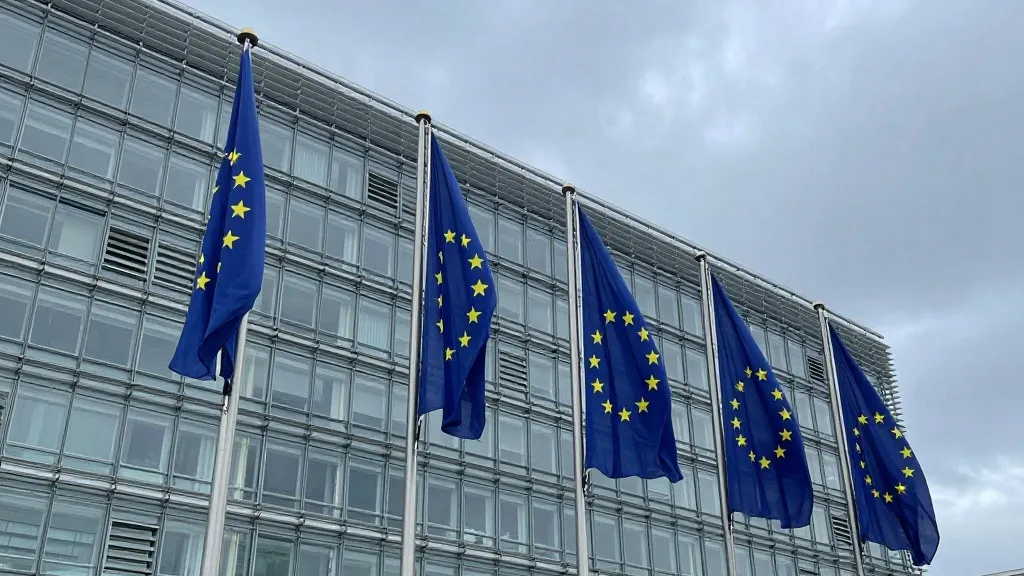
Looking ahead, questions remain about how Moscow will manage the route as an inner waterway. Catherine Sendak of the Center for European Policy Analysis noted that unclear toll structures and service offerings create uncertainty for commercial vessels. Russia might even limit access to other actors. Security concerns are also rising, with EU foreign affairs chief Kaja Kallas describing the region as a front line of global power competition. NATO launched its Arctic Sentry mission in February, and the United States announced plans in September to expand its military presence in Greenland.
Environmental risks are a final concern. Aging shadow fleet tankers pose a threat in a region where oil degrades slowly in cold temperatures and can spread over ice. Vakhrusheva warned that such spills could accelerate climate change effects. Because Russia publishes no data on incidents and the area is so remote, independent groups struggle to monitor the true environmental impact of this growing traffic.
Source: RFE/RL