Runners Adopt Smart Glasses as Instant Crash Cameras
A new running habit involves using Meta’s smart eyewear to record road crossings in under a second.
By Fatima Popov ·
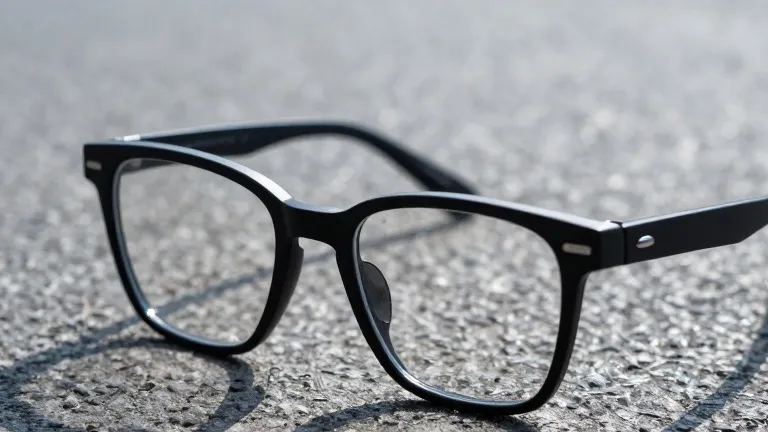
A runner in the United States has turned a pair of Meta smart glasses into a personal dashcam, creating a method to document road incidents with minimal effort. The setup allows for video capture that begins in less than a second, providing immediate visual evidence if a collision occurs near a crosswalk. This approach solves a specific safety gap for people on foot who lack the protection offered to drivers by standard vehicle recorders.
The habit started this summer when Nick, a writer for 9to5Google, began running. Nick noted that friends often asked why anyone would run without something chasing them, but the real fear came from traffic. Nick described speeding up to avoid being hit by cars, even at marked crosswalks. The practical question emerged from this anxiety: if cars have dashcams, what documents an accident for a pedestrian?
Holding a phone while running proved too cumbersome. An armband holster did not allow for fast enough access to film an incident. Nick realized the camera was already on their face. They had been wearing Meta glasses on every run to shoot short clips for Strava with smartwatch health stats overlaid. Adding a few extra clips to the routine required no change to the gear. Nick currently uses a Meta Nova pair and an Oakley Meta HSTN pair for regular runs.
The process is manual but quick. When a car approaches, Nick holds the camera button to start recording. After crossing the road, they press the button again to stop. The glasses are set to record in three-minute segments, ensuring the footage does not end before a potential problem unfolds. The video remains on the device until it reconnects to a phone, where it syncs automatically. Nick describes the system as impressive insurance against mishaps.
Nick suggests that anyone buying a new pair of smart glasses today should prioritize a model with a camera. While some negativity exists around the feature, Nick argues the reasons to have one are strong. For runners interested in trying the method, Nick recommends the Oakley Meta HSTN for its tight fit and runner-friendly style. The cheaper, unbranded Meta pairs offer the same functionality at a lower cost. For those avoiding Meta products, Nick cites Rokid AI Glasses as the best alternative tested so far.
The adoption of this technique relies on the existing hardware capabilities of Meta’s latest models. No functional difference exists between the premium branded pairs and the budget options regarding the camera feature. This allows runners to choose based on fit and price rather than technical performance. The method transforms a fashion accessory into a safety tool for a growing demographic of urban runners.
Source: 9to5Google