Apple Music Buries a Functional Virtual iPod on Its Error Page for 25th Anniversary
Visitors to broken links on the streaming service are greeted with an interactive replica of the 2001 device, complete with a playable game and a retro music library.
By Fatima Popov ·
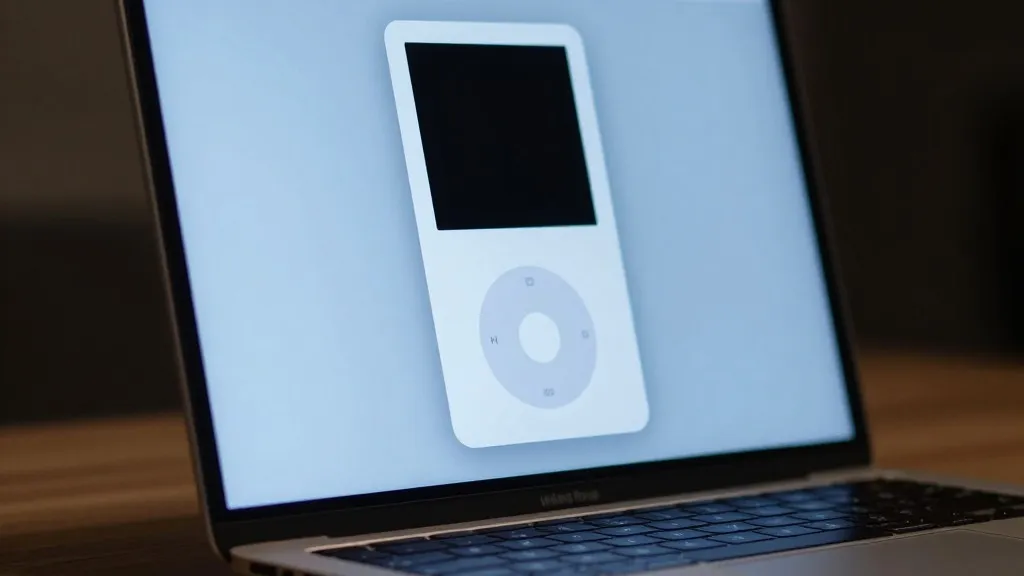
Apple has chosen a subtle digital method to commemorate the 25th anniversary of the original iPod, embedding a fully functional virtual replica within the error pages of its Apple Music platform. This hidden feature serves as a nostalgic nod to a device that fundamentally changed how consumers interact with personal music.
The Easter egg is accessible to anyone who encounters a broken link or a missing page on the Apple Music website. Instead of just displaying a standard error code, the interface presents a prompt beneath the usual message that reads, "give this a spin instead." For those who follow the instruction, a detailed simulation of the classic MP3 player appears, ready for interaction.
The virtual device replicates the familiar layout of the original hardware, including sections for Playlists, Artists, Songs, and Settings. Users can navigate these menus using the on-screen click wheel, which responds to input just as the physical buttons once did. The library contains 1,029 playable tracks, offering a glimpse into the musical landscape of the early 2000s.
The selection of music leans heavily into the era when the original iPod was introduced. The lineup features artists such as Baha Men, blink-182, and Eminem, capturing the sonic signature of that period. However, the catalog may vary by region. A tester based in the United Kingdom also noted the presence of Daniel Bedingfield, The Fratellis, and Klaxons, though it remains unclear if American users will see the same additional acts. Each track is limited to a 90-second playback duration.
While the concept is charming, the execution is not without its quirks. The experience is described as somewhat buggy, particularly on desktop computers where some users struggled to get the interface to function correctly. The interface works best on mobile devices, where touch controls make the experience feel closer to handling the actual hardware. This suggests that the feature is optimized for smaller screens rather than traditional mouse and keyboard input.
Beyond music, the virtual iPod includes a hidden game that mirrors a secret feature found on the first generation of the device. Users can access a Breakout-style game called Brick by holding the center button on the About screen for a few seconds. This detail adds an extra layer of authenticity for enthusiasts who remember the original hardware's capabilities.
Notably, the virtual player does not appear to require an active Apple Music subscription to function. It operates as a standalone web experience, allowing anyone to interact with the device without logging into an account. This accessibility makes the tribute available to a broader audience, including those who may not currently use the streaming service.
The effort put into this hidden feature stands out because most users will never encounter the specific error page that reveals it. Nevertheless, the inclusion of such a detailed and interactive simulation highlights Apple's attention to detail in celebrating a product that remains a significant milestone in consumer technology history.
Source: Engadget