Apple Revives Classic Interface in Hidden Web Tribute
A hidden easter egg on Apple Music now allows users to interact with a digital replica of the original iPod to mark the device's 25th anniversary.
By Daniel Rogers ·
For millions of music listeners, the experience of browsing a digital catalog is now a daily routine, but this week, a subtle change on Apple's web platform offers a moment of nostalgia. By navigating to a specific, non-existent address on the Apple Music website, users can now interact with a fully functional virtual version of the company's most iconic hardware. This hidden feature allows visitors to scroll through a limited playlist and listen to brief audio previews, replicating the tactile feel of the original device without requiring any physical equipment.
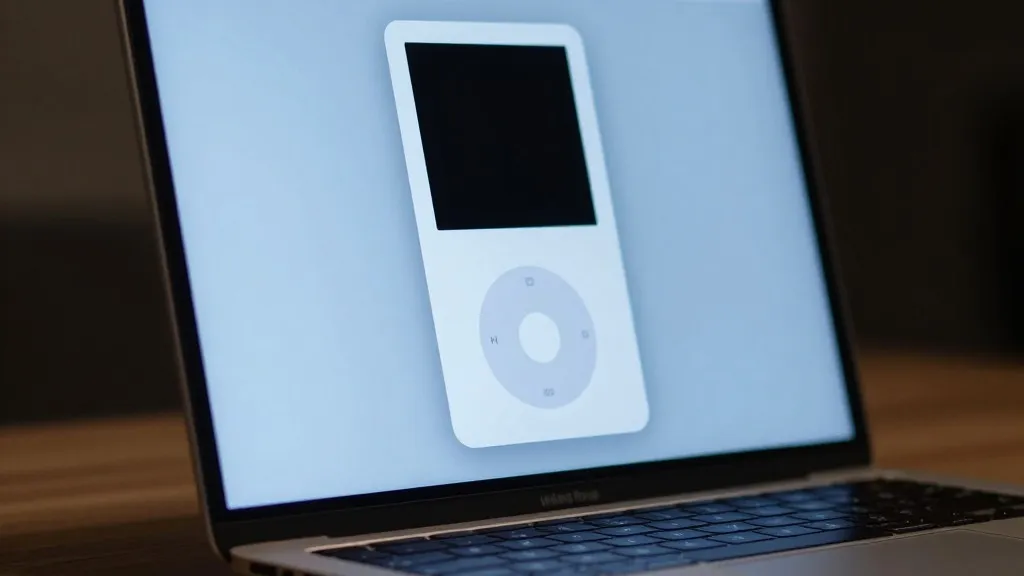
The discovery was made by a user named Kian, who shared the find on the social media platform X. The easter egg appears on the error page that typically displays when a user visits a broken link or an undefined path on the music.apple.com domain. Instead of the standard message indicating that the page cannot be found, the browser renders a visual replica of the first-generation iPod. This interface is not merely static; it is designed to be played with, inviting users to engage with the layout in a way that mirrors the physical controls of the 2001 hardware.
The virtual device responds to user input with surprising fidelity. Clicking the on-screen buttons allows the user to move through the interface, while the scroll wheel functions as it did on the actual player. Users can click and drag their cursor around the wheel to scroll through tracks, a gesture that evokes the mechanical rotation of the original hardware. This interactive element transforms a simple web page into a small, playable simulation, bridging the gap between the early 2000s and the current streaming era.
The content available within this digital replica is curated to reflect the musical landscape of the device's launch year. The pre-installed songs come from artists who were prominent in 2001, providing a snapshot of the popular culture at the time the iPod first debuted. When a user selects a track, the web interface plays a 90-second preview directly in the browser. This design choice ensures that the experience is self-contained, requiring no additional applications or downloads to enjoy the tribute.
This anniversary nod arrives exactly 25 years after Apple first introduced the music player to the world on October 23, 2001. The timeline of the iPod's dominance is a central narrative in the history of personal technology. What began as a niche product for Mac users quickly became a cultural phenomenon, reshaping how people consumed music and influencing the design of smartphones that followed. The device was eventually discontinued as smartphones integrated music playback capabilities, but its legacy remains a defining chapter in Apple's history.
The presence of this easter egg suggests that the company still views the iPod as a meaningful part of its identity, even in an era where dedicated music players are largely obsolete. While the hardware is no longer available for purchase, the web version offers a low-stakes way for fans to revisit the aesthetic and functionality that made the product famous. It serves as a reminder of the simplicity and focus that characterized the original design, a stark contrast to the complex ecosystems of today's devices.
It is important to note that this digital tribute is a lighthearted gesture rather than a formal product announcement. There is no available evidence to suggest that Apple plans to release new hardware or expand this web feature into a more permanent part of its service. The company has not made public statements indicating any broader strategy tied to the anniversary, leaving the easter egg as a standalone surprise for attentive users.
The reaction to this discovery has sparked a broader conversation about the future of dedicated music hardware. Reporting from 9to5Mac included a poll asking readers whether they believe Apple should still produce a standalone music player. This question highlights a persistent segment of the market that prefers a device without the distractions of a smartphone. For those who rely on streaming services, Apple Music remains accessible at a cost of $11.99 per month, or as part of the Apple One bundle, ensuring that the company's music ecosystem remains a central part of its revenue model.
As the 25th anniversary marks a significant milestone, this hidden feature provides a moment of reflection on how technology has evolved. It underscores the shift from dedicated hardware to integrated services, while acknowledging the emotional connection many users still have with the devices that pioneered this change. For now, the virtual iPod remains a quiet, interactive reminder of a era that fundamentally altered the music industry.
Source: 9to5Mac