Osasco's Mall Boom Shifts Loyalty from Lula to Flávio Bolsonaro
The 2026 presidential run-off is testing whether Brazil's service economy has broken the bond between the working class and the left.
By Fatima Popov ·
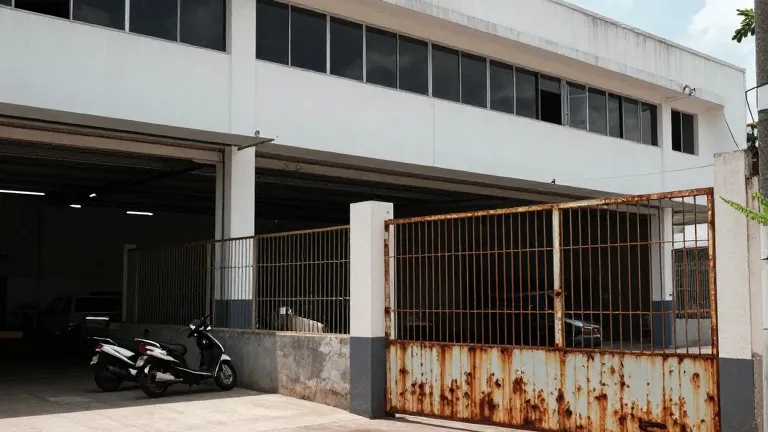
Voters in Osasco, a suburb of São Paulo, are deciding the balance of power in Brazil's final presidential vote. The city, once a hub for metal and textile manufacturing, has seen its factories give way to shopping centers and delivery logistics hubs. This physical transformation mirrors a political shift that helped right-wing candidate Flávio Bolsonaro win the first round of voting this month.
Gilberto Almazan, a metalworkers' union leader in Osasco, describes the local economy as stuck in the past compared to the rapid changes on the ground. He notes that major industrial plants have vanished while five new malls have been constructed. Almazan argues that the traditional union movement which supported Luiz Inácio Lula da Silva's rise is no longer relevant to the daily lives of most workers in the region.
The workforce in Osasco and across Brazil has moved toward flexible, app-based jobs. Almazan refers to this trend as the Uber-isation of labor, noting that drivers and food couriers prioritize schedule flexibility over the collective welfare benefits Lula has historically championed. Richard Lapper, a biographer of both leading candidates, describes this as a late industrialization followed by early deindustrialization, making the economic pain points sharper for voters.
Lula's administration has achieved record low unemployment rates and removed Brazil from the United Nations Hunger Map. However, Lapper points to a disconnect between these macroeconomic stats and household realities. Many voters feel squeezed by high prices, household debt, and elevated interest rates, creating a sense of crisis despite improved national indicators. Robson, a 53-year-old civil servant and former Lula supporter, cites government mismanagement and a heavy tax burden as reasons for his disillusionment.
Flávio Bolsonaro is campaigning on a platform that includes cutting government spending and ministries, alongside specific tax reductions. He has stated that he would maintain certain flagship welfare programs from Lula's presidency. Despite these policy adjustments, Bolsonaro faces ongoing corruption accusations, which he denies. In the first round, 33 million eligible voters abstained, marking the highest level of non-participation since 1998.
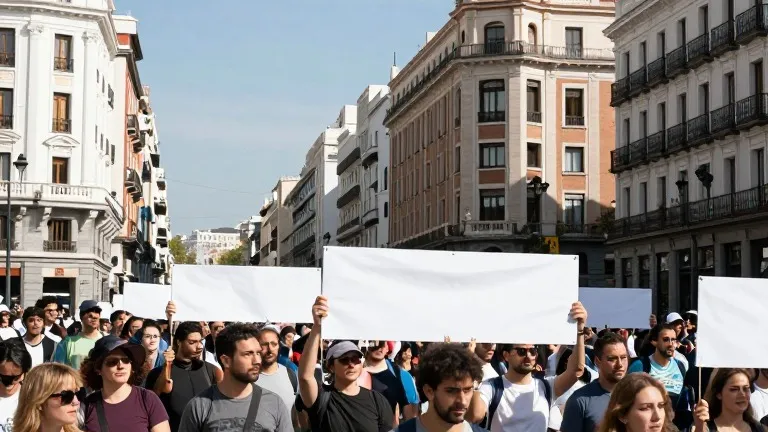
Lula's campaign is countering the narrative of fatigue by mobilizing large crowds at street rallies. The campaign reports that a recent event in São Paulo drew approximately one million attendees, with aerial footage circulating widely on social media. Lula, who is 80 years old, has actively used social platforms to address concerns about his age, referring to himself as the king of selfies to project energy and relevance.
Support for Lula remains strong in poorer communities where his welfare record is tangible. In Maré, a large favela in Rio de Janeiro, abstention rates were higher than the national average, but Lula still secured victory in the first round. Vitoria, an 18-year-old mother earning under 300 pounds a month, supports Lula for his increase of the minimum wage and the provision of free essential medicines. She expresses concern over Bolsonaro's plan to designate the Comando Vermelho gang as a terrorist organization, fearing police raids similar to those in Rio last year that resulted in over 130 deaths.
Religious institutions are playing an expanding role in the political landscape, with approximately a quarter of Brazilians attending evangelical churches. These groups provide childcare, employment advice, and food assistance to communities. Pastor Silas Malafaia, who is currently under investigation for allegedly obstructing the coup trial of Jair Bolsonaro, says Flávio Bolsonaro aligns with church values regarding family and the opposition to abortion. The first round results appear to reflect a rejection of Lula rather than a full endorsement of Bolsonaro.
Almazan expresses a deep concern that the political era of Lula is ending. He states that there will never be another Lula, suggesting that the traditional base of support has fragmented. The outcome of Sunday's run-off will determine if voters believe Lula can present a new economic story that addresses the realities of a service-based workforce.
Source: BBC News
More Politics · World news · Report a business · Got a Story?