Gaza medical staff face isolation and grief after losing family in war
A new report details how 41% of healthcare workers in Gaza have lost family members, leaving many without access to mental health care.
By Daniel Rogers ·
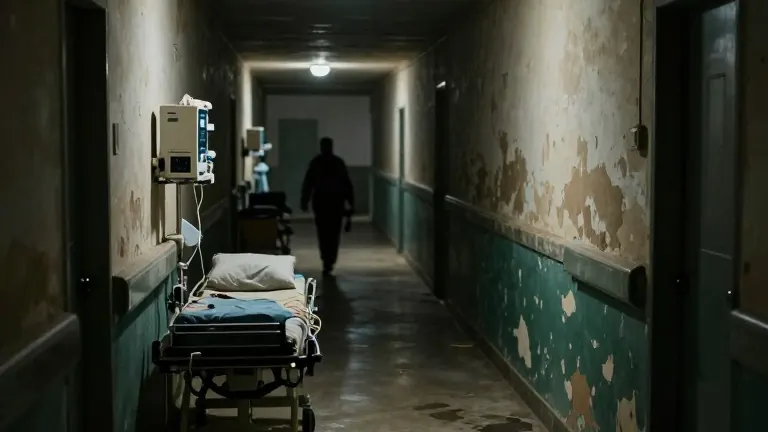
Manar Fayyad, a 29-year-old anaesthesiologist at Al-Aqsa Martyrs Hospital in Deir el-Balah, stopped working after identifying his dead brother in an operating room. In December 2023, Fayyad entered the room to prepare a critically injured man for surgery. He recognized the patient's clothes and uncovered the face to find his 34-year-old brother, Shadi, who had died in an Israeli air strike. Fayyad has not returned to his professional role. He now lives by the sea and writes to process the loss, avoiding social interaction and professional duties.
Khaled Raafat, a 29-year-old nurse at the same hospital, took an extended break after losing his wife, children, mother, and several siblings in an airstrike on October 18, 2023. He was at work saving other patients when he learned of his family's deaths. Raafat described the hospital as a reminder of his personal pain. He eventually returned to work after getting married again and starting a new family. He said he realized he had to find a way to carry on despite the tragedy.
Gaza's Government Media Office reports that at least 1,700 medical personnel have been killed during the war. Another 83 healthcare workers remain in Israeli detention. A study published in the Public Library of Science found that 41 percent of medical workers reported losing family members. Forty-six percent experienced both personal bereavement and displacement from their workplaces.
The study also found that 78 percent of healthcare workers lack access to mental health services. This gap creates a strain on the system as it tries to retain its remaining staff. Official reports acknowledge a loss of human resources and a diminished capacity in the healthcare system. Munir al-Bursh, the director general of Gaza's Ministry of Health, stated that medical personnel are caught between their duty to save lives and the pain of losing people close to them.
Al-Bursh noted that working under constant pressure without adequate support deepens exhaustion. He said protecting medical personnel requires safeguarding their mental health and giving them time to rest. The acute shortage of staff makes it difficult to provide recovery time, especially with the continuing arrival of patients and shortages of equipment.
Hiba al-Tawil, a 39-year-old nurse, witnessed her brother's death in the intensive care unit at Nasser Medical Complex in Khan Younis. She transferred to another department to ease the psychological pressure. Reham Abu Rokba, a psychologist at the complex, said treatment often involves cognitive behavioural therapy. Depending on patient needs, this may include about 12 individual sessions and medication. She said recovery requires time and ongoing participation in support sessions to alleviate symptoms.
Source: Al Jazeera