FCC Bans Two Devices Using Huawei-Linked AI Chips
The agency blocked a dashcam and video transmitter for containing HiSilicon silicon, marking the first enforcement action under new chip-level rules.
By Fatima Popov ·
The Federal Communications Commission has banned two consumer electronics products from sale in the United States. This action represents the first time the agency has used a newly adopted rule to ban devices based on the internal chips rather than the brand name or model number.
The two banned items are a dashboard camera and a wireless video transmitter. Both products contain a HiSilicon Smart Vision system on a chip. HiSilicon is a subsidiary of Huawei. Huawei and its subsidiaries are listed on the FCC's Covered List of entities that pose a risk to US national security.
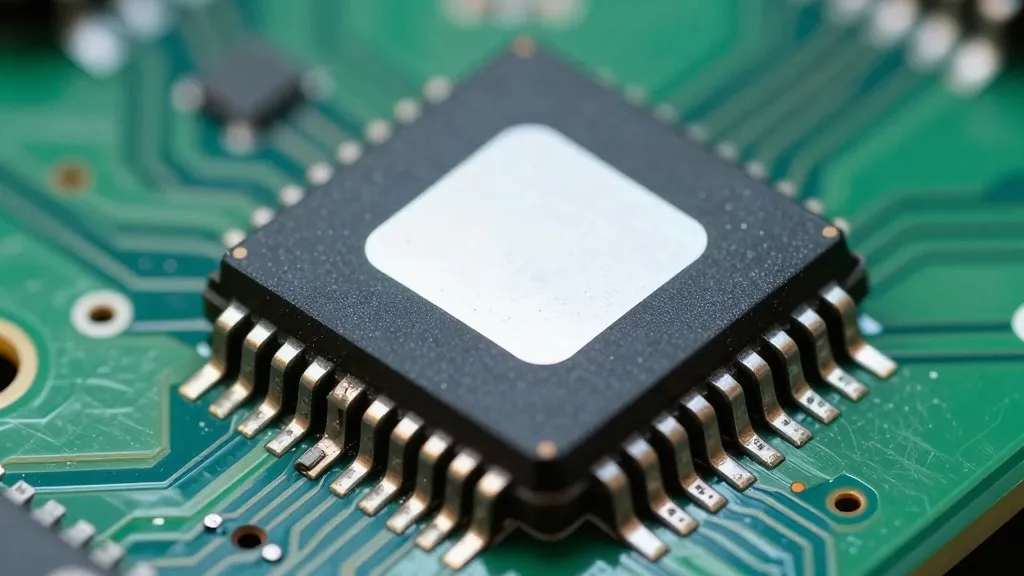
The specific chip is the Hi3516CV610 UHD Smart Vision. It is designed for surveillance cameras and vehicle dashcams. The silicon includes WiFi, Ethernet, video encoding hardware, and an Arm Cortex-A7 processor. It also features a neural processing unit for artificial intelligence functions.
The FCC focuses on the neural processing unit as the source of concern. The agency describes this component as a device containing logic-bearing smart parts made by covered entities. According to the chip's data sheet, the Intelligent Video Engine uses a built-in multimodal large model. This system tracks relationships between objects in video frames, maintaining attention on subjects such as pets, faces, and parcels.
Consumer-facing features allow the camera to distinguish between a pet escaping and a person taking a delivered package. The FCC argues that this same logic-bearing AI could be used for foreign surveillance. The agency believes the technology could survey US citizens and log their faces.
This regulatory approach closes a previous loophole. Before the new rule, manufacturers could rebrand products containing Chinese parts to avoid bans. The new rule targets the silicon itself. A ban now applies to the component regardless of the product label or revisions. This method ensures that rebranded versions of the same hardware are also blocked from the market.
Huawei has a history of regulatory disputes in the United States. The company previously used shell companies to deceive TSMC into manufacturing AI chips. TSMC had been asked to stop supplying specific Chinese customers. That incident is part of a series of controversies that have led to previous product bans in the US.
Reactions to the decision vary among industry observers and readers. Some critics view the move as protectionism. Others question if American surveillance differs meaningfully from foreign surveillance. A separate debate centers on the FCC's jurisdiction. One commenter noted that the Communications Act of 1934 gives the agency authority over both wired and wireless communications. Another argued that bans should have targeted silicon from the start to account for regional product variants.
Source: Tom's Hardware