Block Releases Voice AI That Learns From Sound, Not Text
The new model, named Dessa, operates locally on high-end Macs and was trained exclusively on human conversation to improve emotional understanding.
By Daniel Rogers ·
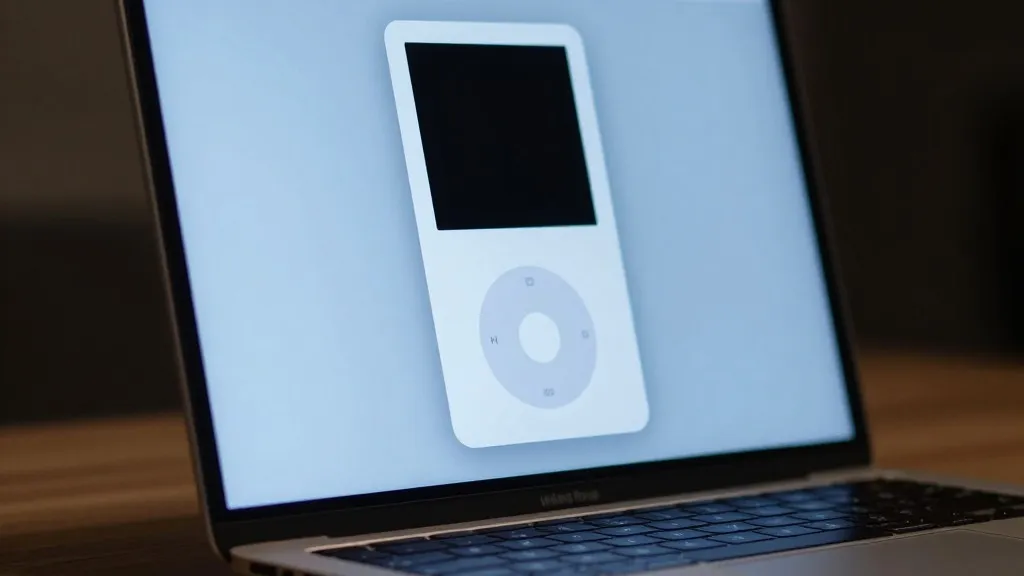
Block, the technology company led by Jack Dorsey, has released a new artificial intelligence system named Dessa. Unlike most current voice assistants that convert spoken words into text for processing, this model was built to handle audio directly. The team states that the system was trained from scratch using only human conversation, meaning it never processed written language during its learning phase. This approach allows the AI to run locally on a MacBook Pro M4 Max or better hardware, keeping data processing on the user's device rather than sending it to external servers.
The development began with a specific goal to mimic how human children acquire language. The team noted that babies learn to speak without seeing written words and wanted to test if a machine could achieve the same result. They described the process as difficult but successful. The project is driven by three stated goals: curiosity, improved human-AI understanding, and safety. The developers argue that existing voice tools flatten the nuance of speech into text and fail to match the timing of natural human interaction.
A central part of the safety argument focuses on emotion. The team contends that many AI systems are nearly deaf to the emotional tone in a human voice. They cited a scenario where a person in serious pain might be ignored by a standard assistant. Dessa is designed to detect these emotional cues, which the developers describe as a step toward fixing that disconnect. Block plans to provide early access to a small group of AI safety researchers before a wider rollout.
The company shared sample recordings to demonstrate the model's capabilities. Ragavan Thurairatnam, who leads the project, posted an exchange where the model initially mistakes the speaker for someone named Ronaldo. Other examples on the Dessa website show the model discussing Christopher Nolan's films before drifting into a tangent about Bryan Singer's Superman movies. In one clip, a user tells the model about a surprise trip to Paris, prompting a response that the site describes as teary gratitude. A separate clip pairs Dessa with OpenAI's GPT-Live-1 voice model, where the interaction sounds more natural.
The release does not include a set date for a general public launch. The current focus is on testing the system with safety experts to evaluate its handling of emotional context. The model represents a shift in how voice interfaces are constructed, moving away from text-based intermediaries toward direct audio processing. Block has not specified when or if the system will be available to the broader consumer market beyond the initial research group.
Source: The Verge