
72% of Gen Z Want Marriage, and Match Group Is Betting Big on It
Match Group relaunches Upward with new features targeting traditional values, aiming to convert a demographic that increasingly cites marriage as a primary life goal.
By Fatima Popov ·
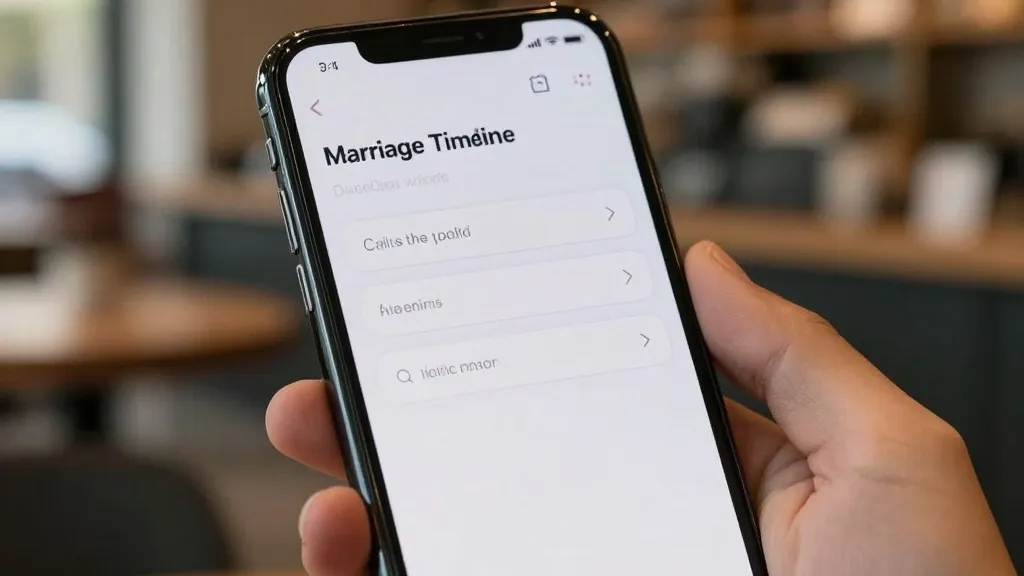
Match Group has officially relaunched Upward, a dating platform originally built for Christian singles, to target a broader young audience that prioritizes traditional values. The move represents a significant strategic shift for the company, which is wagering that Generation Z remains highly interested in marriage despite cultural headwinds. The redesign was unveiled last month, expanding the app's scope to include non religious users who share a similar outlook on family and community.
First, the financial and demographic rationale behind the pivot is clear. Match Group’s 2026 Singles in America study indicates that 72 percent of Gen Z respondents desire to get married. Additionally, one in four singles between the ages of 18 and 34 identifies with traditional values regarding family, faith, and community. Lauren DeFord, the company’s director of brand marketing, stated that the pivot welcomes individuals who share these goals but may not lead with a faith-first mindset, while maintaining that Christian singles remain at the core of the mission.
Second, the product mechanics have been updated to reflect this traditionalist appeal. While Upward retains the swipe-based interface of competitors like Tinder, it introduces two specific features. Chivalry Mode encourages men to initiate conversations, a format reminiscent of Bumble’s earlier model. Marriage Timeline allows users to disclose their desired wedding date to potential matches, adding a layer of intent transparency that standard dating apps often lack. Users can also include a Faith Statement describing their relationship to God, though this is no longer the sole defining trait for membership.
Third, the marketing strategy leans heavily on nostalgic, Americana-inspired themes. The company branded the relaunch as the home of modern courtship, utilizing Western style imagery in its Wanted: For Life campaign. Promotional materials feature retro aesthetics, such as a video of a man in a cowboy hat performing traditional romantic gestures. This branding choice appears designed to resonate with users seeking a structured, culturally familiar approach to dating, contrasting with the often ambiguous norms of modern digital courtship.
However, experts suggest the market may not be as ready for this shift as the data implies. Daniel Cox, director of the Survey Center on American Life, argues that Gen Z is entering adulthood with less defined relational priorities. He notes that a decline in civic life has created a hyperindividualistic culture that does not always prioritize marriage. Cox describes the current trend toward traditional dating as a reaction to a lack of cultural scripts, noting that while many young people are desperate for guidance, the traditional model may not suit everyone. He also points out that 44 percent of Gen Z men had no relationship experience during their teen years, a rate double that of older generations.
Broader survey data adds complexity to Match Group's confidence. A 2023 Pew Research study found that only 23 percent of adults viewed marriage as extremely or very important to a fulfilling life, compared to 61 percent who said the same about close friendships. The share of high school seniors expecting to marry someday dropped from 80 percent in 1993 to 67 percent in 2023. Cox cautions that Match's high marriage statistic may be skewed by age, as older participants might have already married or divorced. Match Group maintains that its survey of 5,000 unmarried US singles is demographically representative of the Census.
User reception has been mixed, with some finding the new focus appealing and others critical. Adreanna Pulliam, a 25-year-old opera singer in Indiana, found the platform appealing to her goal of marriage but encountered users she described as having a specific conservative mold. She expressed confusion over features allowing married individuals to join or listing body types like chubby. Tauti, a social work student in California, quit the app within two days, stating that the experience turned her off from Christian dating altogether. Heidi Marais, a teacher and single mother, questioned the inclusion of agnostics on a platform with such a specific value proposition.
Looking ahead, Upward faces challenges beyond its user base. The company has not disclosed active user numbers, and the app has faced ongoing complaints regarding functionality and user support since its initial launch in 2020. Some users have criticized the platform's technical stability, with one reviewer describing it as janky. Pulliam suggests the app could find a niche within Christian private university communities but notes that its success may depend on users with a more closed mindset regarding modern dating norms. The relaunch is a clear test of whether Match Group can successfully monetize the intersection of tradition and digital convenience for a younger, value-driven demographic.
Source: Wired
More Business · Tech news · Scam Watch · Report a business · Got a Story?