Sodom's Hospitality: The Torah defines the first true evil
Rabbinic sources describe the ancient city's laws against guests and the death of Lot's daughter as the basis for the biblical label of extreme wickedness.
By Daniel Rogers ·
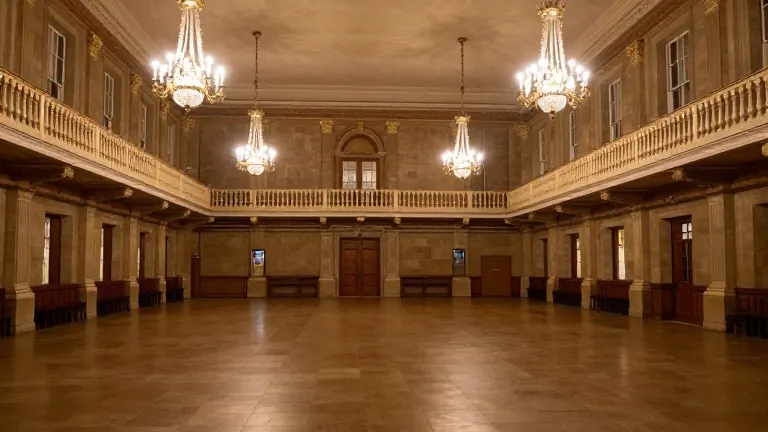
The Torah uses the word "evil" for the first time in Bereishit 13:13 to describe the city of Sodom, marking it as the primary example of wickedness in the text. This designation distinguishes Sodom from earlier generations like Enosh and Noach, which faced destruction but are not explicitly labeled with that term in the scripture.
The narrative context places Sodom in a fertile plain near the Jordan Valley. The Gemara in Sanhedrin 109a describes the area as rich with gold and gems, noting that gold nuggets and sapphires were found in the roots of vegetables. This wealth created a population of billionaires who formed a closed society. The entrance requirement for living in Sodom was extreme wealth, a rule designed to prevent envy among neighbors by excluding those with fewer resources.
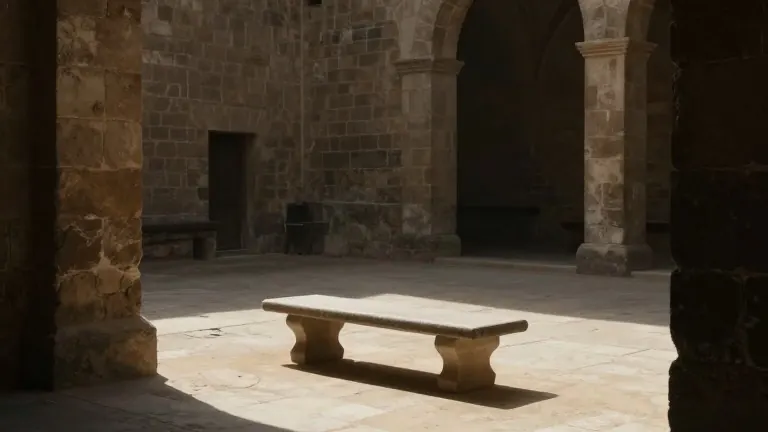
The residents of Sodom enacted strict laws against hospitality to maintain their isolation. The Gemara states that anyone found feeding a guest faced a death sentence. Visitors who entered the city found doors and windows shut. If a visitor slept on a public bench, officials would adjust their body to fit the furniture, stretching short individuals or cutting limbs from taller ones. The city also cut down all trees in its parks to eliminate pigeons, which were the only food source for surviving beggars.
The final straw for the city was the case of Plotit, the daughter of Lot. She survived by hiding sandwiches in empty water jars to feed a beggar. The Sodomite court sentenced her to death for this act of charity. They stripped her, covered her in honey, and tied her to a stake on her roof. Bees swarmed and stung her until she died. The court intended to teach that feeding one beggar invites a dangerous swarm.
The parsha Vayeira begins with a description of Avraham's extensive hospitality, presenting it as the direct opposite of Sodom's practices. The text contrasts the open doors of Avraham's tent with the shut windows of Sodom. The cries of Plotit are cited in Bereishit 18:21 as the event that sealed the fate of the city.
Source: The Jewish Press