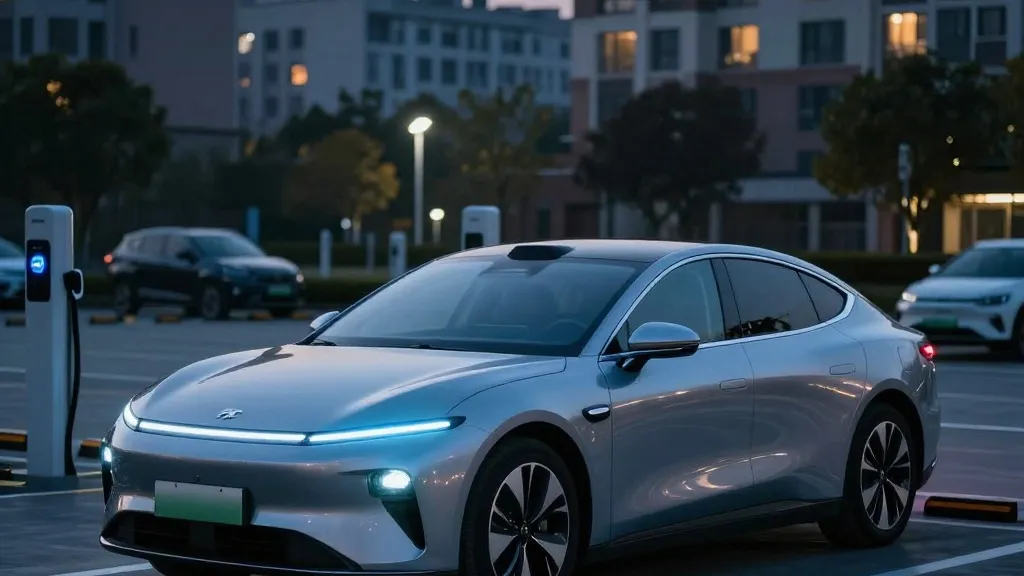
Federal Regulators Propose Mandating Cyan Lights for Autonomous Vehicles
The NHTSA aims to standardize driverless car signaling with a new blue-green light requirement to improve road clarity for all users.
By Rebecca Kaminski ·
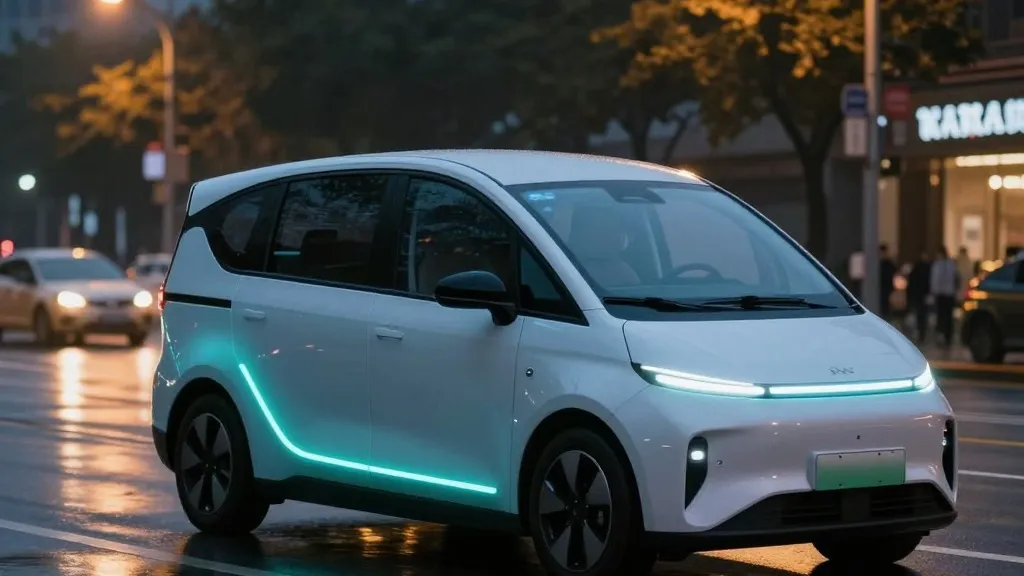
The National Highway Traffic Safety Administration has officially proposed a new standard that would require driverless vehicles to display cyan-colored marker lamps. This regulatory move seeks to provide a clear and consistent visual cue to law enforcement and other road users that an automated driving system is in control. The agency released these changes as part of an update to Federal Motor Vehicle Safety Standard No. 108, which governs vehicle lighting equipment. By establishing a specific color, the government aims to resolve a long-standing debate over how best to communicate the operational status of autonomous cars.
The selection of cyan is driven by the need to distinguish autonomous vehicles from traditional human-driven traffic. Existing automotive lighting already utilizes red, amber, white, and flashing blue or red signals for functions such as braking, turn signals, headlights, and emergency alerts. NHTSA determined that a blue-green hue fills a visual gap in the current spectrum, reducing the likelihood of confusion for drivers and pedestrians on the road.
There is some existing precedent for this type of signaling, although it has not been universally adopted. Mercedes-Benz previously received state-level approval to use turquoise lights on its Level 3 Drive Pilot vehicles. However, the automaker has since moved away from that specific feature in favor of a Level 2++ system. Despite this shift, the federal agency sees value in creating a uniform national standard that operators like Waymo, Nuro, and Zoox, along with manufacturers like GM and Mercedes, can implement consistently.
Under the proposed rule, the installation of cyan marker lights would remain optional for manufacturers. Nevertheless, the proposal sets strict federal standards for the color, brightness, and placement of these lights. This ensures that any automaker choosing to include the feature does so with a consistent and legal configuration, rather than a disparate mix of colors and signals that could cause confusion among road users.
In addition to adding new lighting requirements, NHTSA is proposing to remove several existing rules that are less relevant for vehicles without human drivers. Current regulations mandate physical hazard switches, manual beam shifters, and turn levers inside the cabin. The agency suggests eliminating these requirements to accommodate designs that do not rely on traditional manual controls. The proposal also includes an update to the 12.8-volt testing standard, allowing automakers to utilize modern LED architectures without facing unnecessary administrative hurdles.
The agency is also reconsidering requirements that dictate the vertical positioning of high-beam lights relative to low-beam lights. These changes are part of a broader administrative effort by the Department of Transportation to streamline the deployment of autonomous vehicles. The goal is to make it easier for manufacturers to build cars that lack traditional controls, such as steering wheels and pedals, which are primarily designed for human operation.
While the regulatory environment is becoming more flexible for autonomous designs, enforcement remains strict. Last month, NHTSA initiated an audit query into the Tesla Cybercab. The investigation aims to examine the process and technical data Tesla relied upon when certifying the vehicle. The primary concern involves the absence of certain design features, including sideview mirrors, pedals, and a steering wheel, which are currently required under existing federal standards.
This proposed update marks a significant step toward integrating autonomous vehicles into the national regulatory framework. By standardizing how these vehicles signal their presence and operation, NHTSA hopes to enhance safety and clarity on the road. The process now moves forward, allowing for public comment and further review before the final rules are established.
Source: The Verge · original report published