FCC Chair Carr visits Grand Forks drone hub to address foreign component ban
Local officials argue U.S. drones lag in reliability and cost as the agency enforces new restrictions on foreign-made technology.
By Fatima Popov ·
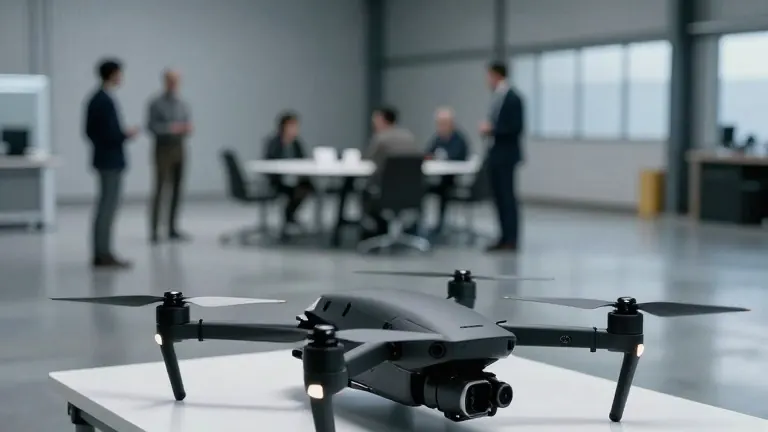
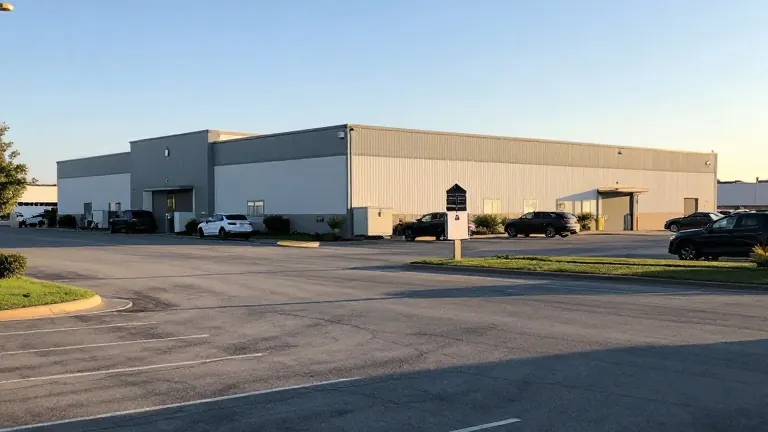
Federal Communications Commission Chairman Brendan Carr met with more than a dozen industry leaders at the GrandSky facility on Monday to discuss the impact of new regulations on the unmanned aerial systems market. Carr, an appointee of President Trump, stated that the agency is signaling to investors that the current moment is ideal for domestic capital investment. He noted that more than $6 billion has flowed into the domestic market since the FCC banned foreign-produced drones and their components.
The roundtable, organized by Senator Kevin Cramer, focused on how the regulatory changes affect local operations. North Dakota’s GrandSky and Grand Forks Air Force Base have emerged as central hubs for drone and counter-drone technology. This growth is driven by substantial investments from defense contractors Northrop Grumman and General Atomics, as well as several smaller regional firms.
Senator Cramer expressed a desire to create incentives for domestic production. He advocated for a streamlined clearance process to help companies access parts of the frequency spectrum more quickly. Cramer described the need for a regulatory sandbox that acts as a one-stop shop for approvals. He supported the ban on Chinese drones but emphasized that the government must accelerate the development of American alternatives to replace them efficiently.
Local law enforcement faces immediate challenges under the new rules. The ban prevents government agencies from purchasing new foreign drones, although units authorized before December 2025 remain in use. Grand Forks County Sheriff Andy Schneider noted that his department relies heavily on technology from the Chinese firm DJI. He described American-made options as less reliable, comparing them to poorly constructed bicycles with flat tires and loose chains that are left on the shelf during critical missions.
Schneider stated that his office uses DJI equipment, a company that manufactures between 80% and 90% of the drones used by American law enforcement agencies. This includes units deployed by U.S. Customs and Border Patrol. The sheriff maintained a strong preference for domestic products but argued that current American technology does not yet meet the operational standards required for their security perimeter.
Private sector operators also cited cost and availability issues. Tommy Kenville, CEO of ISight Drone Services, said American drones are generally less affordable than their foreign counterparts. Kenville expressed concern that the federal government might be moving too quickly with the restrictions. He questioned where a company can currently purchase a good quality, American-made drone for $20,000.
The discussion highlighted a gap between the regulatory goal of domestic independence and the current state of the supply chain. While the FCC aims to boost internal investment, users in the Grand Forks area report that existing foreign technology remains more practical for daily operations. The local industry awaits further clarity on how these federal rules will be implemented in the coming months.
Source: Grand Forks Herald
More Business · Scam Watch · Report a business · Got a Story?