Buick and GMC buyers face $1,000 hidden costs in CPO warranty gaps
GM's CarBravo certification varies by model, requiring shoppers to scrutinize deductible amounts and mileage caps before signing financing agreements.
By Daniel Rogers ·
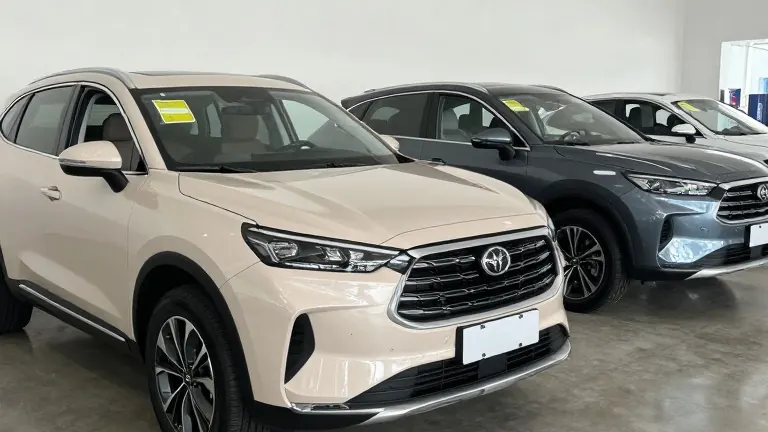
Drivers shopping for certified pre-owned vehicles in St. Louis are facing a complex financial calculation that extends beyond the sticker price. The cost of ownership now hinges on specific warranty terms within GM’s CarBravo program. These terms differ by model and certification level, creating potential gaps in protection that can impact monthly budgets.
GM currently operates its certified used vehicle program under the CarBravo banner for Buick and GMC brands. The coverage included in this certification is not uniform across all vehicles. Buyers must verify the specific inspection standards and warranty limits applied to each unit. The additional cost of certification is only justified if the included benefits align with the vehicle’s expected lifespan and the owner’s driving habits.
The financial risk lies in assuming identical coverage for different models. Buick options such as the Encore GX, Envision, and Enclave target drivers seeking comfort and urban practicality. GMC models like the Terrain, Acadia, and Sierra lineup cater to those needing utility and towing capability. A buyer prioritizing a smaller SUV for daily commuting may pay a premium for features in a larger pickup that they will rarely use, distorting the long-term value proposition.
Shoppers are advised to compare financing terms rather than focusing solely on the monthly payment amount. A longer loan term lowers the immediate cash outflow but increases the total interest paid over the life of the loan. The full cost of ownership includes insurance, fuel, registration, maintenance, and unexpected repairs. A realistic budget must account for these recurring expenses before a vehicle is selected.
Vehicle condition and mileage require detailed review alongside the price tag. A lower-mileage vehicle with a history of neglected service may present higher future repair risks than a higher-mileage vehicle with consistent maintenance. Buyers should request the vehicle history report and ask dealers to explain any repairs or reconditioning performed before sale. The physical inspection should cover braking performance, steering response, tire condition, and engine operation.
Warranty documentation contains specific exclusions that buyers often overlook. Coverage begins and ends at defined points, with mileage limitations and deductibles that vary by contract. Some policies are transferable if the vehicle is sold, while others are not. Routine maintenance costs, including oil changes, tire rotations, and brake inspections, must be factored into the monthly savings plan to prevent unexpected financial strain.
Fuel economy estimates must be adjusted for actual driving conditions. Frequent short trips, heavy traffic, and towing duties reduce real-world efficiency compared to advertised figures. A driver with a long commute will see a larger financial impact from poor fuel economy than a driver who primarily uses the vehicle for local errands. The choice between a compact SUV and a full-size pickup should reflect these daily usage patterns.
The final step involves comparing the complete purchase cost across multiple offers. This includes the selling price, financing rate, loan duration, down payment, taxes, and fees. Optional protection products add to the total expense. A vehicle with a slightly higher price may offer better value if it includes stronger equipment or a more comprehensive warranty. Buyers should request a clear breakdown of all costs to ensure the monthly payment reflects the true expense of ownership.
Source: Yonkers Times
More Business · Scam Watch · Report a business · Got a Story?