Attorney General James: Federal Agents Banned From NY Polls
Legal guidance issued ahead of Nov. 3 midterms clarifies restrictions on armed officers and ID requirements for voters.
By Rebecca Kaminski ·
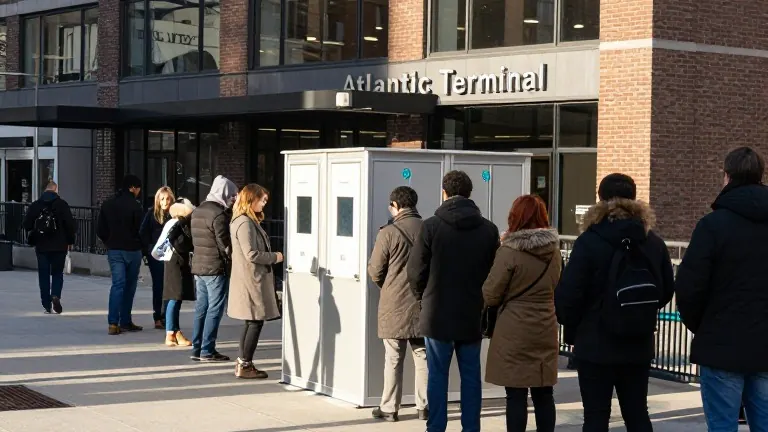
New York voters will face strict rules at polling places during the mid-term elections on Nov. 3. Attorney General Letitia James issued a statement on Oct. 27 detailing which federal personnel are prohibited from polling sites and how local officials must handle identification requests.
Early voting is currently underway and runs through Sunday, Nov. 1. James stated that military troops and armed federal officers are not permitted at polling locations. This ban covers agents from US Immigration and Customs Enforcement, US Customs and Border Protection, and the Federal Bureau of Investigation. Under federal law, it is a crime to order, bring, or keep these armed officers at a poll site.
James said that government officials may not use their authority to interfere with or influence the 2026 General Election. Members of the US armed forces are barred from using force, threats, or intimidation to stop anyone from voting. She urged New Yorkers to vote with confidence and to report any intimidation or interference to the Office of the Attorney General.
New York state law adds specific protections for immigration enforcement. Local governments and their employees cannot grant immigration officers access to a polling location for enforcement purposes unless those officers present a valid judicial warrant or court order. James said anyone who witnesses illegal collaboration between local and federal officials can submit a complaint to the Office of Immigrant Trust.
Regarding identification, James clarified that New York voters are never required to show photo ID to vote. However, first-time voters who did not provide identification when registering may be asked for proof. This can be a current utility bill, bank statement, paycheck, government check, or another government document with their name and address. Those without these documents can cast an affidavit ballot but must follow up with their local Board of Elections later.
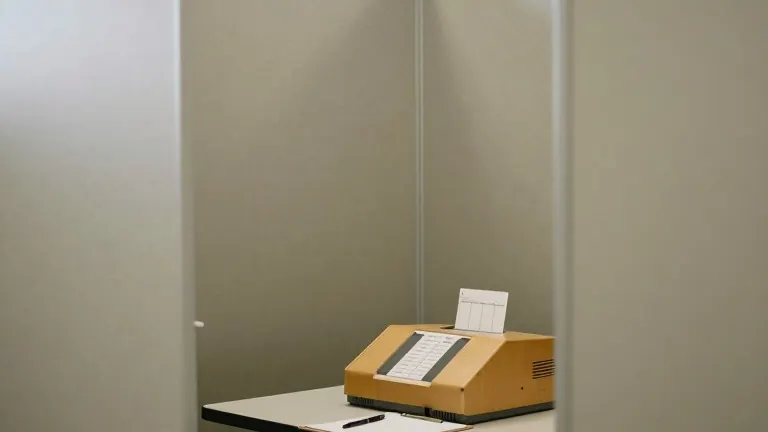
Voters with disabilities or difficulty reading or writing English may bring an assistant to the polls. This person does not need to be a US citizen, registered voter, or adult, but cannot be the voter's employer or union officer. The assistant can help throughout the process, including inside the voting booth. Election inspectors must keep everyone at least three feet away from voters using privacy booths or ballot scanners.
Firearms are banned at polling places, and campaigning is prohibited within 100 feet of the entrance. Poll watchers may observe and report problems but cannot interfere with voters. Each organization may have no more than three poll watchers per election district at a time. Only one may be inside the guard rail where election inspectors work. Poll watchers may not solicit votes, wear campaign literature, or follow a voter to the privacy booth.
The US Department of Justice has announced plans to send monitors to polling places during the November election. James said this is a normal process, but DOJ monitors may not demand identification, challenge voters, or engage in political activity. Poll workers who encounter a DOJ monitor without prior notice should contact their county election officials. Voters who experience intimidation or improper ID requests can call the Election Protection Hotline at (866) 390-2992 or visit electionhotline.ag.ny.gov.
Source: Caribbean Life