Warhound Secures $200 Million to Solve Military Dog Shortage
A new venture aims to genetically engineer canine units for defense and law enforcement, backed by major tech and intelligence investors.
By Fatima Popov ·
For military and law enforcement agencies in New England and across the country, the procurement landscape for working dogs is about to shift significantly. A new company called Warhound has emerged from stealth with $200 million in fresh capital, signaling a major entry into the defense market. The venture, valued at $1.2 billion, plans to use genetic engineering to create specialized canine units that can operate in high-risk environments where human personnel or standard machines struggle.
The funding round was led by a group of prominent investors, including Sequoia, 8VC, and Corner Ventures. Notably, In-Q-Tel, a venture firm with ties to the U.S. intelligence community, also participated in the deal. This financial backing provides the resources necessary to scale the production of these engineered animals, which are designed to handle tasks such as bomb detection and complex search operations.
The business case for Warhound rests on a critical supply chain issue. According to the company, more than 80% of the U.S. military's working dogs are currently sourced from Europe. Furthermore, the organization notes that less than half of these imported animals are fully fit for service. This reliance on foreign suppliers creates a vulnerability in a sector that is increasingly vital for national security and emergency response.
Warhound aims to address these gaps by leveraging the technology of Colossal Biosciences. The company plans to edit the genes of top-performing breeds, specifically Belgian Malinois and German Shepherds, to enhance traits like speed, agility, and olfactory sensitivity. By removing genes associated with common health issues such as cancer, hip dysplasia, and poor eyesight, the team hopes to produce dogs with greater longevity and resilience for demanding missions.
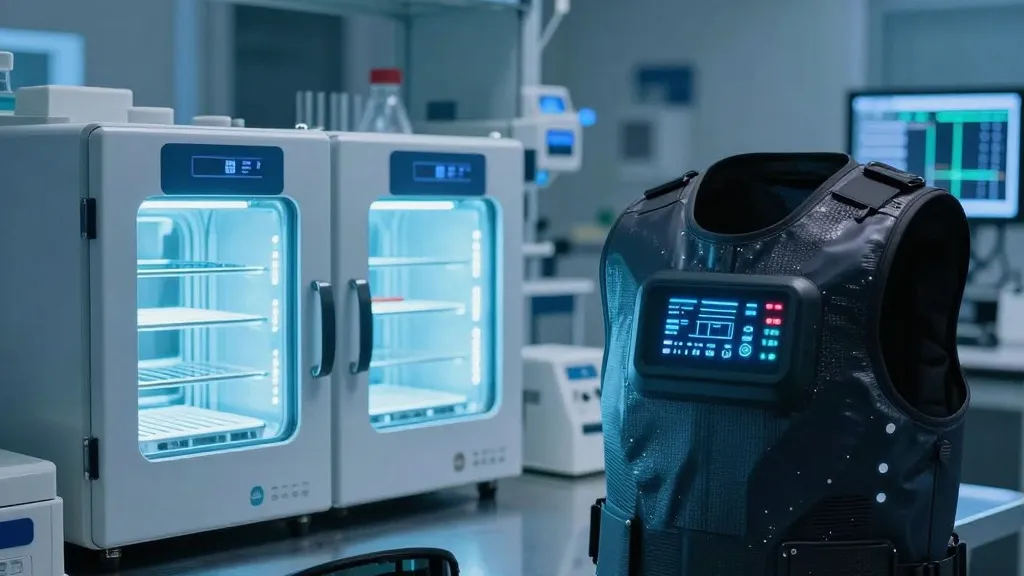
The venture also partners with Anduril, which will provide the hardware and software to support these new units. This equipment includes protective vests and goggles equipped with data sensors. These tools will improve situational awareness for both the dogs and their handlers, allowing for better coordination in the field. The goal is to create a system where the animal is not only genetically enhanced but also technologically supported to perform at its peak.
Ben Lamm, a partner at Colossal Biosciences, explained that the project began after he met Anduril founder Palmer Luckey at a conference a year ago. Luckey is a partner in the venture but does not hold equity, while Colossal holds an ownership stake and licenses its technology. Lamm noted that the team is already studying cell lines from elite working dog breeds to begin the cloning process.
Production is moving quickly. The first batch of dogs is scheduled to be cloned and incubated shortly, with births expected in early 2027. Viagen, another company owned by Colossal, will handle the cloning operations using technology that has a high success rate. The company targets a timeline where these new units could begin active service within two years.
Warhound has not yet established a pricing model for the dogs, but it expects to sell to the Department of Defense, military service groups, police forces, and first responders. The company has already briefed various government bodies on its plans. To address concerns about animal welfare, Warhound is working under the guidance of the American Humane Society to certify its training program. The society has welcomed the collaboration, stating it looks forward to ensuring the animals are treated humanely throughout their service and retirement.
As the first genetically engineered military dogs approach birth, the industry is watching closely. The success of this venture could redefine how the U.S. secures its most valuable biological assets. For now, the focus remains on delivering the first cohort of these enhanced units to meet the growing demand from defense and public safety sectors.
Source: TechCrunch · original report published
More Business · Scam Watch · Report a business · Got a Story?