Richard Montgomery Wreck Loses Masts in Major Safety Move
Engineers cut away the last visible signs of the WWII shipwreck to prevent a potential collapse, though the dangerous cargo remains underwater.
By Daniel Rogers ·
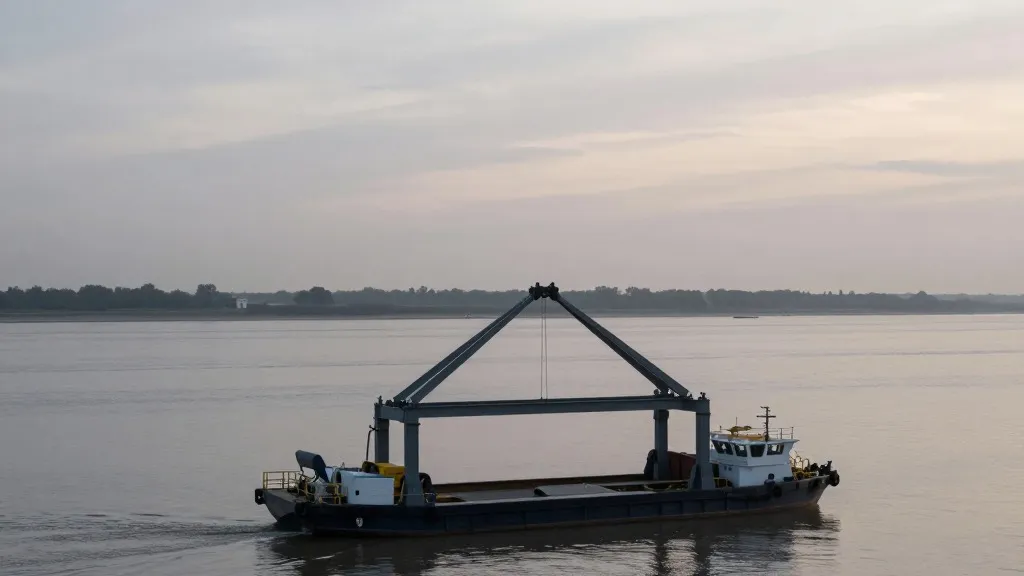
A tense standoff with history has finally ended in the Thames Estuary. Officials confirmed that the three rusting masts of the SS Richard Montgomery have been successfully removed. This delicate operation was designed to eliminate a specific risk: the fear that aging metal could snap and fall onto the ship’s remaining cargo. While the structure above water is now gone, the explosives inside the hull are still there.
The primary goal was to stop the ship from leaning further. Nolan Conway, a naval architect with Resolve Marine Group, explained the danger. He noted that the vessel had started to tilt. There was a genuine worry that a mast falling could strike the cargo and trigger a detonation. Some of the munitions are believed to have pressure fuses, meaning a hard impact could be fatal.
The engineering team faced a difficult puzzle. They needed to cut the masts without shaking the wreck or putting divers in harm’s way. To solve this, they built a custom lifting frame. This allowed them to raise each mast steadily without any swinging. They also used a remotely operated underwater diamond-wire saw. The device clamps around the metal and cuts through it, keeping human workers safely on the surface.
U.K. maritime minister Keir Mather addressed Parliament this week. He stated that the complex project finished ahead of schedule. The total cost came in just under $13 million. Mather emphasized that the masts placed a significant load on the structure. Removing them reduces that risk and helps manage the site safely for the long term.
The explosives remain in place because pulling them out is even riskier. Experts are divided on what a blast would actually do. Conway said estimates vary widely. Some predict shoreline damage or a tidal wave moving up the river. Others think it might only close a nearby shipping channel. He noted there is a large range of possible impacts, but none are good. Officials still judge the overall chance of an explosion to be low.
The government will keep an exclusion zone around the wreck. It lies about 1.5 miles off the Sheerness coast. The area will remain under continuous monitoring. The removed masts are not being scrapped. They have been moved to the Historic Dockyard Chatham museum. They will be displayed to honor the ship’s role in the war effort. More than eighty years after the ship failed to reach Europe, it stays where it sank. It is now hidden beneath the waves, but it is far from forgotten.
Source: CBS News