
Apple lifts iPhone Duo targets to 14 million after 40 percent surge
Supply chain adjustments signal a major production increase for the new folding smartphone following unexpected consumer enthusiasm.
By Daniel Rogers ·
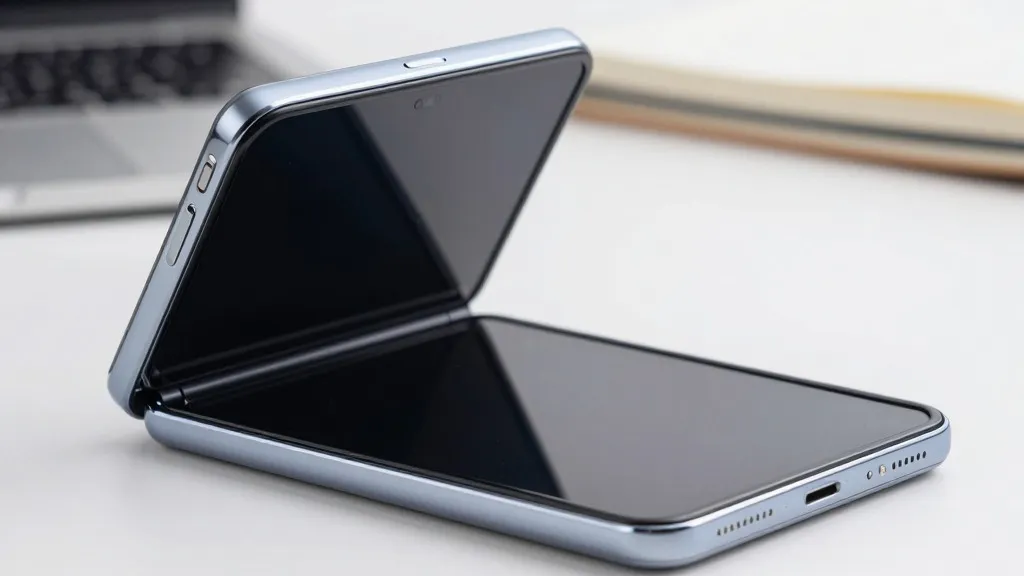
A 40 percent increase in initial production orders is the latest indicator of how strongly consumers are responding to Apple’s entry into the folding phone market. Supply chain reports indicate that Apple has significantly raised its shipment targets for the iPhone Duo, moving from an initial plan of 9.7 million units to a new goal of 14 million units over the first twelve months. This substantial upward revision suggests that the company anticipates sustained high demand rather than a temporary spike in sales.
The decision to boost output follows a turbulent start to the pre-order period. When orders opened on Friday, many customers immediately noticed that estimated delivery dates were slipping into late January. Apple attributed these delays to what it called extraordinary demand for its first folding iPhone. However, this specific phrasing has been used frequently during previous iPhone launches, leading some analysts to initially question whether the delays were due to genuine consumer interest or simply logistical inefficiencies in the supply chain.
The most striking evidence pointing to strong demand is the rapid adjustment of shipping estimates for early buyers. Reports indicate that customers who initially received extended delivery windows were subsequently provided with earlier shipping dates. This shift aligns with industry sources suggesting that Apple is actively ramping up production to meet the heightened interest. The quick correction in delivery timelines serves as a practical confirmation that the company is prioritizing the fulfillment of these new orders.
Apple implemented specific measures to manage the influx of orders and prevent market distortion. The company limited each customer to a maximum of two units per person. This restriction was designed to tackle scalping and ensure that the device remained accessible to individual consumers rather than being hoarded by resellers. Such controls are often employed during high-demand product launches to stabilize the secondary market and maintain brand perception.
Despite the hardware success, early adopters are facing software integration challenges. Third-party applications are not yet fully optimized for the new device’s unique form factor. Apple maintains that the situation is improving rapidly as developers update their software to support the iPhone Duo. Initial reviews based on a week of usage consistently highlight app support as one of the primary areas for improvement, alongside other hardware features.
One of the notable hardware changes in the iPhone Duo is the inclusion of Touch ID, a departure from the Face ID system used in recent models. While some users viewed this as a downgrade, recent reports suggest that Apple is already testing prototypes for the iPhone Duo 2 that feature Face ID. This indicates that the company may view the current biometric setup as a temporary compromise to accommodate the folding mechanism, with a return to facial recognition planned for the next iteration.
The broader context of this production increase reflects Apple’s strategic commitment to the folding smartphone category. By raising its first-year target to 14 million units, the company is signaling that it views this segment as a significant growth opportunity rather than a niche experiment. The ability to scale production so quickly also demonstrates the efficiency of Apple’s supply chain partners in responding to shifting demand signals.
Looking ahead, the continued success of the iPhone Duo will depend on both hardware durability and software ecosystem maturity. If Apple can maintain its production ramp-up while developers address optimization issues, the device could solidify its position in the market. The transition from 9.7 million to 14 million units represents a massive logistical undertaking, but the initial response suggests that Apple is prepared to meet that challenge.
Source: 9to5Mac · original report published